How to Buy TCG Accessories Wholesale: What Retailers Should Know
How to Buy TCG Accessories Wholesale: What Retailers Should Know
Buying TCG accessories wholesale comes down to three things: choosing the right supplier type (factory-direct, distributor, or marketplace), understanding MOQ and tiered pricing, and locking down logistics and after-sales terms before you pay. With the trading card game market estimated at roughly $7.8-14 billion in 2025 and growing 5-8% a year, accessories like card sleeves, toploaders, and display cases are the highest-margin, lowest-risk part of a card shop's inventory — which is exactly why getting wholesale purchasing right matters.
What Is TCG Accessories Wholesale, Exactly?
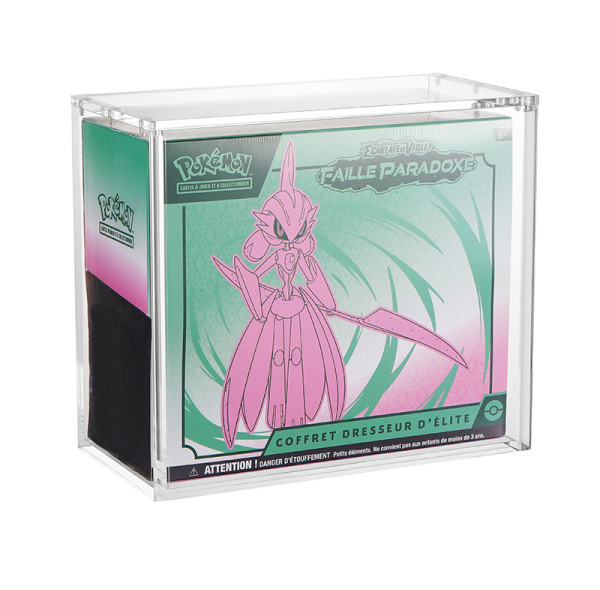
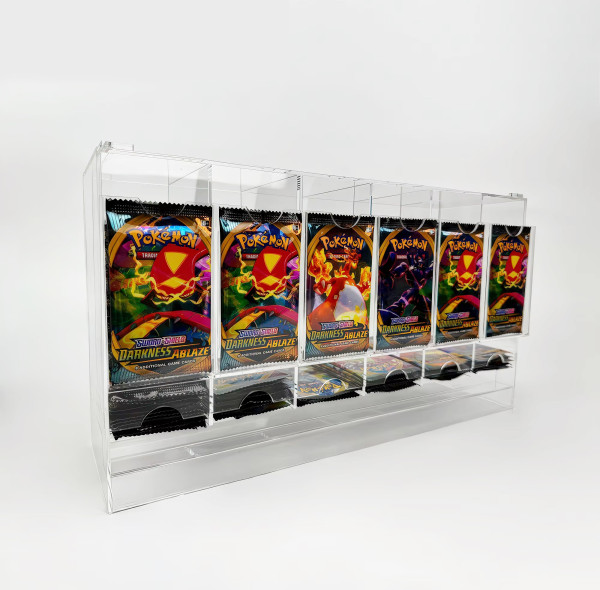
TCG accessories wholesale means buying card protection and display products in bulk at a unit price well below retail, then reselling them in a store, online shop, or tournament venue. The category includes penny sleeves, premium sleeves, toploaders, magnetic one-touch holders, binders, deck boxes, storage boxes, playmats, and acrylic display cases. Unlike sealed booster product — which typically carries a thin 15-20% margin — accessories routinely run 40-60% margins, according to industry reports from game-store operators and wholesale distributors. Wholesale pricing is usually tiered: the more you order, the lower your per-unit cost.
Why Retailers Should Stock Wholesale TCG Accessories
- Higher margins than sealed product: Card sleeves and binders commonly deliver 40-60% gross margin, versus 15-20% for booster boxes and 20-30% for booster packs.
- Recurring, predictable demand: Sleeves wear out, toploaders get used for shipping, and collectors always need another binder — accessories sell every single week.
- Low inventory risk: Accessories don't rotate out of print like booster sets, so dead stock is rare compared with sealed product.
- Impulse purchase power: Small-ticket items at the counter (sleeves, dice, slab bumpers) lift average basket size.
- Brand-building opportunity: Buying wholesale from a factory that offers OEM/ODM lets you launch your own private-label sleeves and boxes at 45-60% margins.
- Supply chain optionality: Multiple wholesale sources protect you from distributor stockouts and price swings.
Wholesale vs. Retail Pricing: Where the Margin Lives
The table below shows typical wholesale price ranges and the retail markups retailers can expect across the main TCG accessory categories. Figures are industry estimates compiled from wholesale catalogs and game-store margin reports.
| Product Category | Typical Wholesale Price | Typical Retail Price | Gross Margin |
|---|---|---|---|
| Card sleeves (per pack) | $0.50-2.00 | $3-7 | 50-70% |
| Toploaders (per unit) | $0.10-0.50 | $0.50-1.50 | 55-70% |
| Magnetic one-touch holders | $1.50-5.00 | $6-15 | 50-65% |
| Binders & collection books | $4-15 | $15-40 | 45-60% |
| Acrylic display cases | $5-20 | $15-50 | 50-65% |
| Deck boxes | $2-8 | $8-25 | 40-55% |
| Custom/private-label sleeves | $1.00-3.00/pack | $5-9 | 50-70% |
Supplier Types Compared: Factory vs. Distributor vs. Marketplace
Where you buy wholesale determines your price, lead time, and customization options. Here is how the three main channels stack up.
| Factor | Factory-Direct (e.g. GUARD TCG) | Domestic Distributor | B2B Marketplace |
|---|---|---|---|
| Unit price | Lowest (no middleman markup) | Medium (25-40% markup typical) | Low-medium, varies by seller |
| MOQ | From 100 pcs on standard items | Low, often $500-1,000 minimum order | Varies; some as low as 10-50 pcs |
| Lead time | 5-12 days air (DHL/FedEx/UPS), 25-35 days sea | 1-3 days domestic | 1-4 weeks |
| Customization (OEM/ODM) | Full: logo, colors, packaging, private molds | None (branded stock only) | Limited, seller-dependent |
| Quality control | Factory QC with batch inspection | Distributor-level, mixed | You verify; sample first |
| Best for | Private label, scale, best cost | Fast restock, small orders | Testing products, low volume |
How to Choose the Best Wholesale Supplier for Your Shop
Start with a clear plan: are you reselling established brands, building your own brand, or both? For resale, a domestic distributor gets stock to your door in days. For your own brand, factory-direct sourcing gives you the best landed cost and full customization — GUARD TCG, for example, has manufactured card protection since 2009 with an annual capacity of over 300 million pieces, serving 10,000+ customers in 70+ countries. Whichever route you take, order samples from 3-5 suppliers before committing. Sample costs are often deductible from your first bulk order. When comparing quotes, always compare landed cost (product + freight + duties + payment fees), not just unit price.
MOQ and Tiered Pricing: How to Negotiate Like a Pro
- Know the baseline: Standard items can start at just 100 pieces at a factory like GUARD TCG; custom printed sleeves usually need 500-1,000+ pieces; new molds or exclusive designs push MOQs higher.
- Ask for the price ladder: Suppliers typically publish 2-4 tiers (e.g. 100 / 500 / 1,000 / 5,000 pcs). Confirm every tier's unit price in writing.
- Bundle SKUs to hit minimums: If one product's MOQ is too high, combine sleeves + toploaders + boxes in one order to meet an aggregate minimum.
- Negotiate the first order: A 30-50% deposit and a longer lead time can unlock a lower MOQ or better pricing on your first order.
- Plan freight properly: For orders under ~50 kg, air express (DHL/FedEx/UPS, 5-12 days) makes sense; larger orders should go by sea (25-35 days) to cut freight cost by 60% or more.
- Get QC terms in writing: Ask how defects are handled (replacement, credit, rework) and whether batch inspection is standard — GUARD TCG runs QC checks on every batch before shipment.
Common Pitfalls and Red Flags When Buying Wholesale
The most common mistakes retailers make are skipping samples, comparing only unit prices, and trusting verbal promises. Watch for these red flags: a supplier that refuses to send samples, has no documented QC process, insists on unsecured payment methods only, quotes MOQs that seem unrealistically low for the product type, or cannot give a clear production and shipping timeline. Also verify material claims — for example, confirm sleeves are non-PVC and toploader thickness is genuinely 35PT — because material substitutions are the most frequent "sample vs. production" discrepancy in this industry.
Wholesale Order Checklist: Before You Pay
- Sample check: Compare sample material, dimensions, print quality, and fit against the spec sheet; keep the sample as your reference standard.
- Written quote: Unit price per tier, freight quote, payment terms (typically 30-50% deposit, balance before shipment), and validity period.
- QC agreement: Defect rate acceptance threshold, inspection method (batch inspection vs. third-party), and remedy terms.
- Packaging spec: Inner/outer carton quantities, whether retail-ready packaging is included, and carton dimensions for freight calculation.
- Delivery timeline: Production time, shipping method, and estimated arrival date; ask for tracking once shipped.
- After-sales: What happens if goods arrive damaged or defective, and the response window for claims.
About GUARD TCG
GUARD TCG is a professional trading card accessories manufacturer established in 2009, with an annual production capacity of over 300 million pieces and an export network covering 70+ countries. We serve 10,000+ customers and 500+ distributors worldwide, offering OEM/ODM services — logo printing, custom colors, custom packaging, and private molds. Standard products start at an MOQ of 100 pieces, with QC batch inspection on every order. Shipping options include DHL/FedEx/UPS (5-12 days) and sea freight (25-35 days). Whether you are a game store stocking shelves or a startup building a private-label brand, our team supports you from samples to full container loads. Visit our product catalog or contact us for wholesale pricing.
FAQ
Q1: How much stock should a new retailer order in the first wholesale order?
Start small: one to three best-selling SKUs per category (sleeves, toploaders, binders) at the lowest MOQ tier, enough to test demand for 4-8 weeks. Most shops begin with a few hundred dollars of samples plus a first bulk order of $500-2,000, then scale with reorder data.
Q2: What is the difference between MOQ for standard and custom products?
Standard stock items can start at 100 pieces at factory-direct suppliers like GUARD TCG. Custom products cost more per piece to set up — custom printed sleeves typically require 500-1,000+ pieces, and new molds or exclusive designs require higher minimums because tooling and setup costs must be absorbed.
Q3: Are samples usually free?
Most factories charge for samples but deduct the sample cost from your first bulk order. Always confirm this policy in writing before ordering samples, and test 3-5 suppliers before committing to a vendor.
Q4: Should I ship wholesale orders by air or sea?
Under roughly 50 kg or when you need stock fast, use air express (DHL/FedEx/UPS, 5-12 days). Larger orders should go by sea (25-35 days) — freight cost typically drops 60% or more, which improves your landed cost and margin.
Q5: Can I get my own brand printed on wholesale accessories?
Yes — this is OEM service. Factories like GUARD TCG handle logo printing, custom colors, custom packaging, and even exclusive molds. Private-label accessories are one of the highest-margin plays for card shops, often 45-60% gross margin.
Conclusion
Buying TCG accessories wholesale is a repeatable skill: choose the right supplier type for your stage, compare landed cost not sticker price, negotiate MOQ and tiers in writing, and always validate with samples and QC terms. Accessories are the margin engine of a card shop — consistently 40-60% gross margin versus 15-20% for sealed product — so the effort you put into sourcing directly pays off on every shelf restock. Start with a small test order from one or two suppliers, keep your checklist handy, and scale the SKUs that move. Whether you need wholesale card supplies for your store or a private-label program for your own brand, GUARD TCG is ready to quote your first order.
Wholesale and OEM Supply
Need this range in bulk? GUARD TCG manufactures magnetic one-touch card holders and offers OEM/ODM custom card accessories for brands, card shops and distributors. Browse the magnetic one-touch card holders range, or request a wholesale quote.