Elevating Collection Value and Competitive Play for Global Players

Partnering with Passion
Card Protection & Material Insights
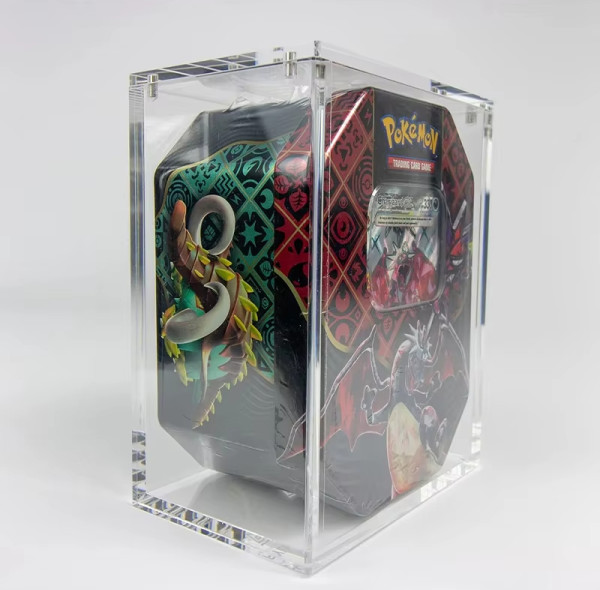
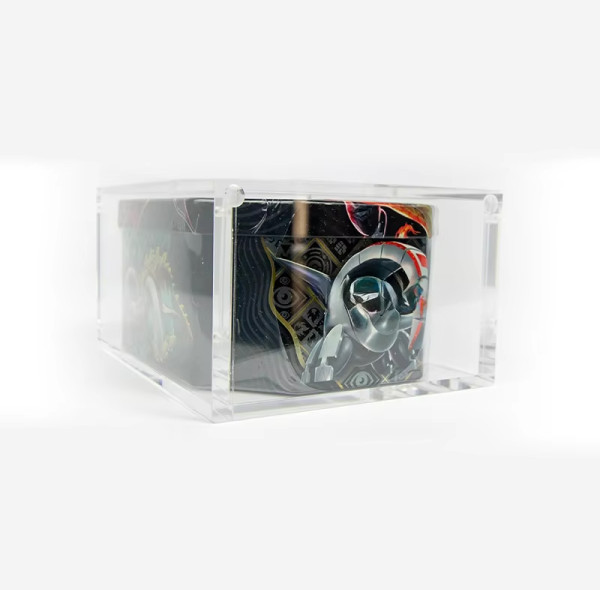
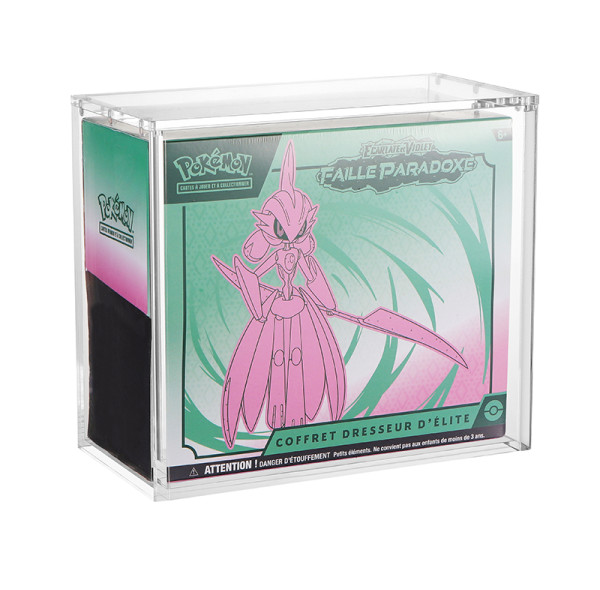
 Scratch-Resistant Acrylic Cases: Coatings, Polishing, and CareNov 14,2026A scratch resistant acrylic case relies on a hard coat over cast sheet, not on the material alone. This guide compares cast and extruded acrylic, explains hard-coat versus film options, covers polishing and buffing for minor scratches, and sets out a cleaning and storage routine that avoids new marks, with wholesale notes on MOQ, packaging, and lead time for importers and retailers.
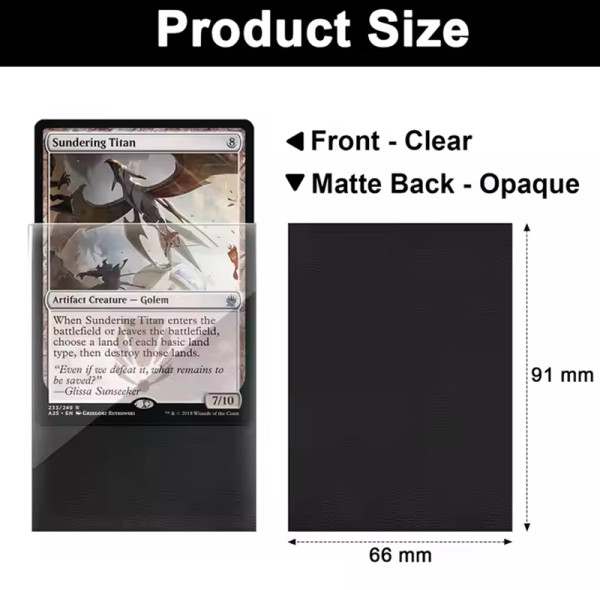
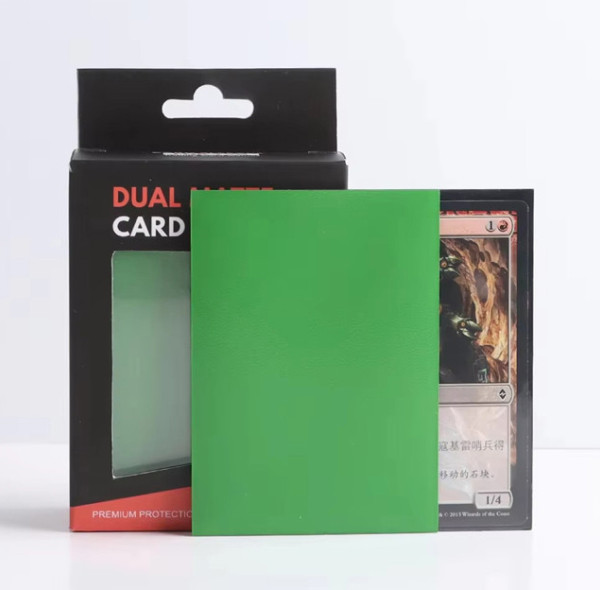
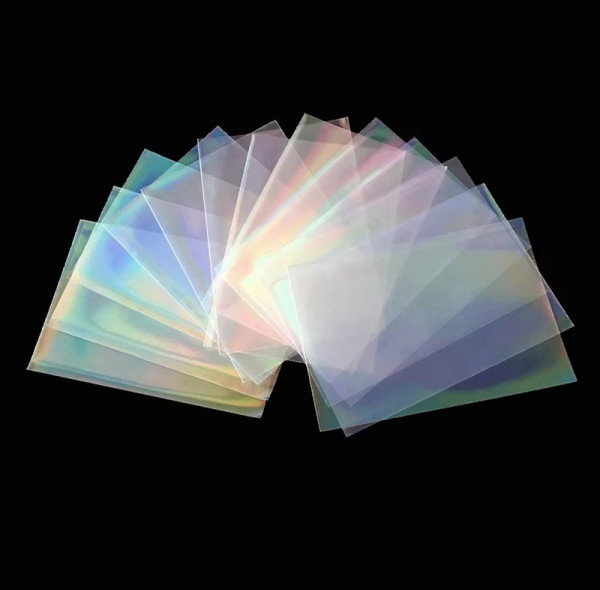
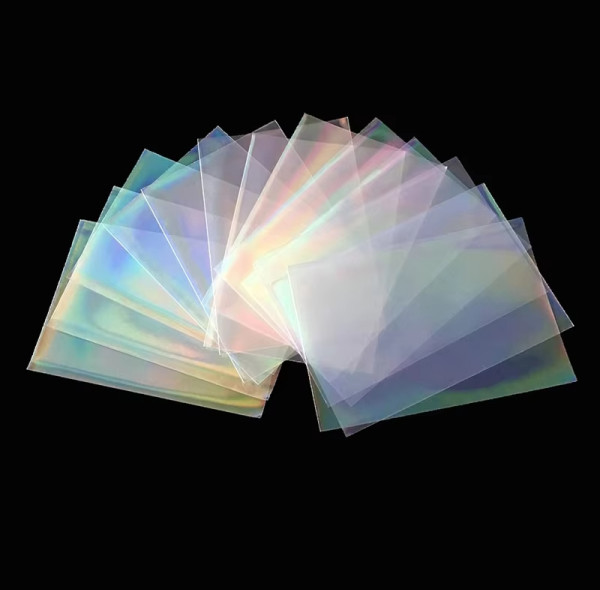
- Matte vs Clear Card Sleeves: Finish, Shuffling, and Scanning ComparedNov 12,2026Matte, clear and holographic card sleeves compared on shuffle feel, glare, opacity, durability and scanner behaviour, with storage and replacement advice plus MOQ, packaging and lead-time notes for retailers and importers sourcing custom clear sleeves for cards.
- Ultrasonic Sealing Card Sleeves vs Glue: How They Are MadeNov 10,2026Ultrasonic sealing card sleeves use high-frequency vibration to weld film without adhesive, while glue sealing bonds with a third material. This factory-side guide compares bond strength, seam appearance, material compatibility and inspection methods, with MOQ, packaging and lead-time notes for retailers, distributors and importers sourcing card protection.
- PVC Sleeves Card Damage: How Plasticizer Migration HappensNov 7,2026PVC sleeves card damage comes from plasticizer migration: flexible PVC releases oily additives that soften ink and leave ghosting that graders score as surface wear. This guide explains the mechanism, how to test film for PVC before loading cards, how to rehouse affected cards safely, and what retailers and importers should specify: polypropylene or polyethylene, plasticizer-free, with MOQ, packaging, and lead-time notes.
- Silicone vs TPU vs Aluminum Slab Bumpers: Which Protects Best?Nov 5,2026Slab bumper vs slab sleeve protection explained, then silicone vs TPU vs aluminum bumpers compared on cushioning, drop resistance, fit tolerance, and stacking, with wholesale MOQ, packaging, and lead time guidance.
- UV Blocking Ratings Explained: 92% vs 99% Protection for Card CasesNov 3,2026A UV blocking card case filters ultraviolet light to slow ink and cardboard fading. This guide explains what 92% vs 99% ratings measure, why the gap matters, and how importers and retailers choose the right spec for any display.
- Acid-Free Card Storage and Archival Protection: Why Chemistry MattersOct 31,2026Acid-free card storage explained for collectors, retailers, and importers: how pH-neutral polypropylene, polyethylene, and polyester protect trading cards from acid migration, why PVC damages cards over time, and how to source archival binders and boxes with documented materials.
- Sleeve Thickness in Microns: 40, 50, and 60 Micron Sleeves ComparedOct 30,2026Sleeve thickness in microns explained: 40, 50, and 60 micron card sleeves compared on fit, shuffle feel, binder capacity, and protection, with wholesale MOQ, packaging, and lead time notes for buyers.
- PP vs PET vs PVC Card Sleeves: Material Science ExplainedOct 27,2026How PP, PET, and PVC card sleeves differ in clarity, flexibility, and long-term stability, and why PVC-free polypropylene and polyester are the archival-safe choices for buyers.
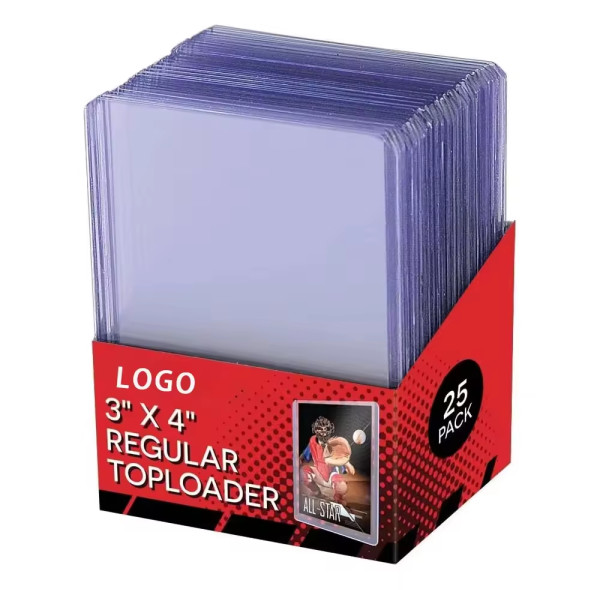
- What Does PT Mean in Card Storage? 35PT, 55PT and 130PT ExplainedAug 12,2026PT stands for point (1 PT = 0.001 inch / 0.0254 mm) and describes the inner cavity of card protectors: 35PT fits standard cards, 55PT fits premium foil stock and double-sleeved cards, 130PT fits patch and memorabilia cards. Learn how to choose the right toploader thickness from GUARD TCG, a factory-direct manufacturer since 2009.
- UV Damage on Trading Cards: What It Looks Like and How to Prevent ItAug 10,2026UV damage on trading cards appears as faded ink, washed-out colors, and yellowed edges, and it is permanent. Learn what UV damage looks like, which cards fade fastest, and how UV-blocking display cases and dark storage protect your collection from sunlight.
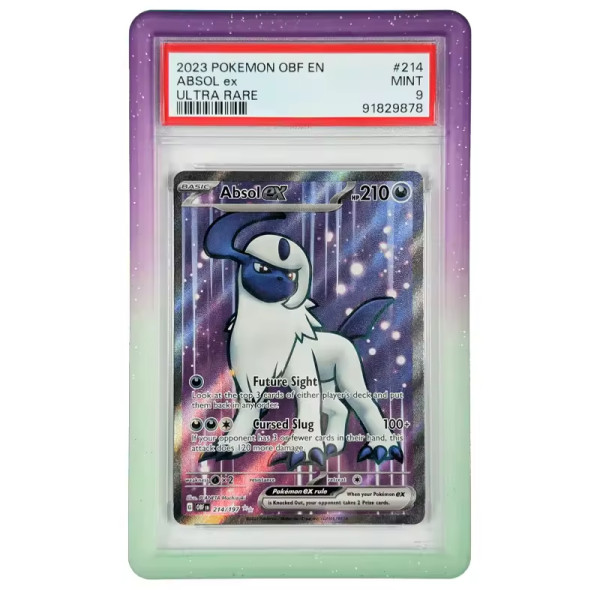
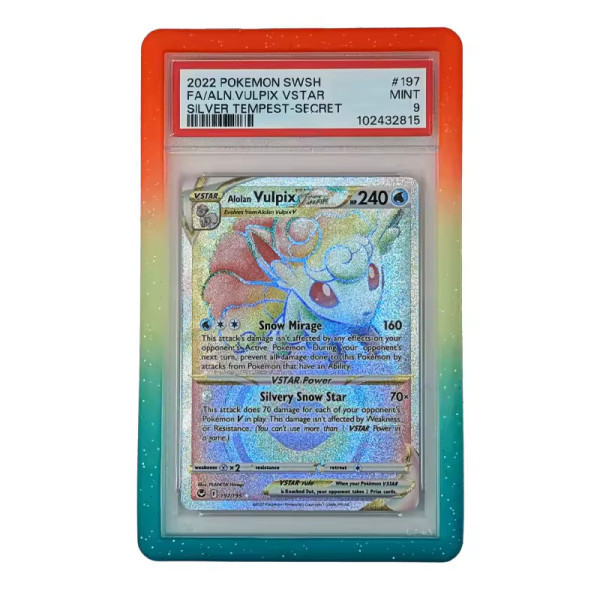
- What Is a Slab Bumper? Why Graded Card Collectors Are Adding ThemAug 8,2026A slab bumper is a soft TPU or silicone frame that snaps around the corners of a graded card slab, absorbing impact and preventing corner cracks. Learn how slab bumpers compare to slab sleeves and Slabmags, who should use them, and how to choose the best fit for PSA, BGS, and CGC slabs.
- How to Evaluate Card Protection Materials: PVC vs PP vs PE Sleeves & Different Case TypesJan 20,2026Not all card protection materials are created equal. This guide explains the key differences between PVC, PP, and PE sleeves, along with common card case types such as toploaders, acrylic cases, and aluminum frame holders. Designed for beginners and serious collectors alike, this article clarifies why non-PVC materials matter and how to choose the best protection for long-term card preservation.
- Toploader: The Essential Card Protector Every Collector NeedsOct 8,2025Discover why toploaders are the most trusted choice for trading card protection. Learn about their materials, benefits, and why every collector—from Pokémon to sports—relies on them to keep cards safe and display-ready.
- 2025 Card Protection & Material Insights: Guard TCG’s B2B Guide to Safeguarding TCG ValueAug 22,2025As the TCG market surges to $9.8B by 2033, Guard TCG empowers B2B partners with acid-free, PVC-free protection solutions to meet rising demand.