Elevating Collection Value and Competitive Play for Global Players

Partnering with Passion
Home / All
Blog
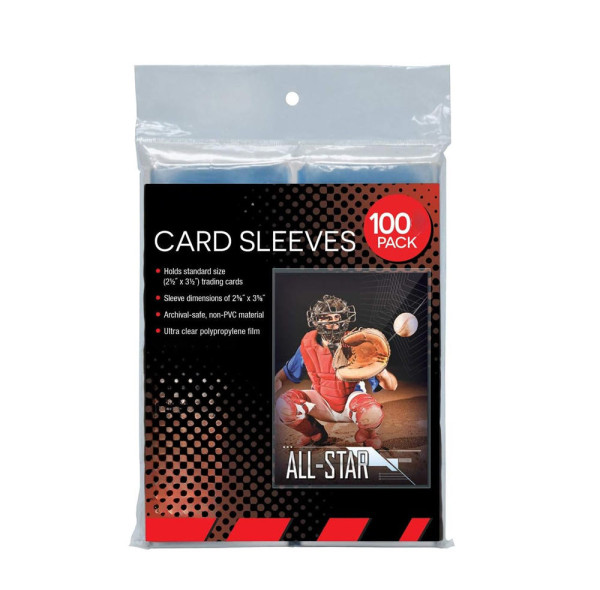
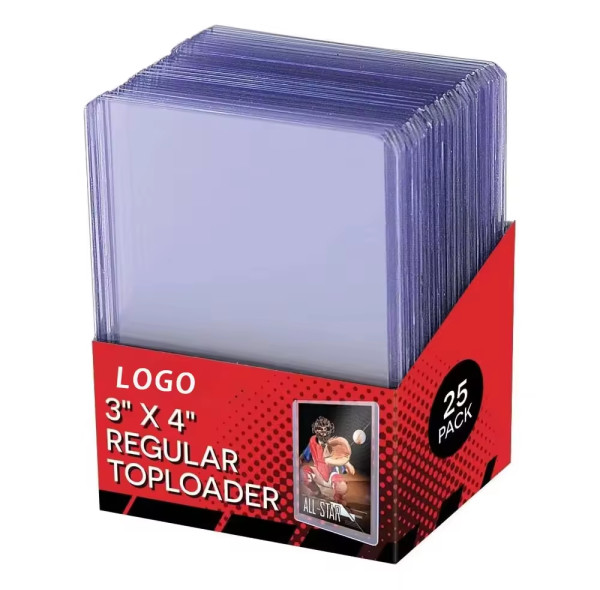
 TCG Shop Supplies Checklist: Everything a Game Store Needs to StockSep 18,2026A complete TCG shop supplies checklist covers six groups: card sleeves, rigid protection (toploaders and magnetic holders), storage and binders, deck boxes and playmats, acrylic display and retail hardware, and counter essentials. This guide breaks the list down by shelf zone, recommends SKU counts and a $2,000-$5,000 first-order budget for card shop inventory, compares protection vs. display vs. play supplies, and explains how to choose suppliers with low MOQ and batch-level QC.
- How Game Stores Profit from TCG Accessories: Margin Benchmarks for 2026Sep 17,2026TCG accessories deliver roughly 50-70% gross margin for game stores in 2026 - higher and steadier than the 20-45% typical of sealed boosters and far more predictable than single cards. This guide benchmarks margin by category (sleeves, deck boxes, binders, acrylic display cases), compares accessories with sealed product and singles, covers pricing strategy without discounting, landed-cost math, SKU and sell-through planning, and how to buy factory-direct to protect card shop business margins.
- Shipping Card Accessories Internationally: Air vs. Sea Freight Costs and TimingSep 16,2026Air express (DHL/FedEx/UPS) moves card accessories door-to-door in 5-12 days, air freight in 7-12 days, and sea freight in 25-35 days at 60%+ lower unit cost. This guide compares cost and timing for card accessories shipping, explains volumetric weight and CBM math, HS codes, customs clearance and last-mile delivery for international shipping from China.
- QC in Card Accessory Manufacturing: What Quality Checks Actually MatterSep 15,2026Card accessory QC comes down to five measurable checkpoints: dimensional tolerance, material thickness and grade, print colour and registration, edge and closure quality, and packing integrity. This guide covers the working standards we use, AQL sampling (ISO 2859-1) vs. 100% inspection, the most common defects in card sleeves and holders, how importers can verify quality with third-party or video inspection, and how to build QC into a custom OEM order.
- Factory-Direct vs. Trading Companies: How Sourcing Directly Saves You MoneySep 14,2026Factory-direct vs. trading company sourcing explained: trading companies add an estimated 15-40% markup on top of the ex-works price, so a $10,000 order can cost $1,500-$3,300 more. This guide compares cost structures, the real costs of buying direct (vetting, inspection, logistics), when direct sourcing pays off, and when a trader or agent still wins.
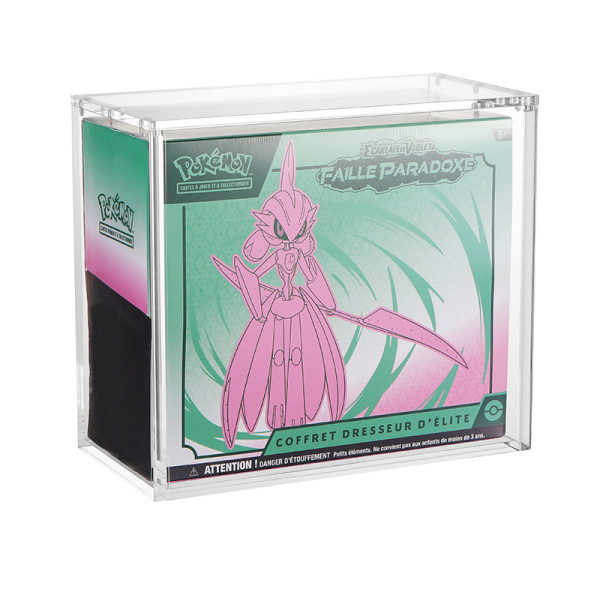
- Licensing Reality: Can You Make Your Own Pokémon-Style Display Cases?Sep 14,2026Pokemon display case OEM and licensing explained: you cannot sell cases bearing Pokemon trademarks, logos, or artwork without a licence from The Pokemon Company International, but you can make generic unbranded cases that fit standard ETBs, tins, and booster boxes. This guide covers licensed vs unlicensed card accessories, the trademark/copyright/design line, seller risks, and compliant OEM practices.
- Custom Card Sleeves: Printing, Materials, and Minimum OrdersSep 12,2026Custom card sleeves explained: how printing methods (digital, offset, gravure) affect cost and MOQ, which film to choose (PP, CPP, PET, gloss or matte), design file rules (CMYK, 300 DPI, 3 mm bleed), single-sided vs. double-sided vs. full-wrap printing, MOQ and price breaks, sample-to-production timeline, and how to choose a supplier.
- How to Choose a Trading Card Accessories Manufacturer: 10 Questions to AskSep 11,2026How to choose a trading card accessories manufacturer: 10 questions to ask, covering factory vs trading company, certifications, capacity, in-house tooling, QC, tolerances, MOQ and price breaks, lead time, shipping terms and defect policy. Includes a strong-answer vs red-flag table, verification methods, a sample evaluation checklist, and red flags to avoid.
- MOQ Explained: How Low Can You Really Go with Custom Card Accessories?Sep 10,2026MOQ (minimum order quantity) explained for custom card accessories: standard branded products can start around 100 pieces, light custom printing near 1,000, and new tooling 1,000-5,000+. Learn what drives MOQ (tooling, printing, packaging, material), a reference table by product type, price-break tiers, and low-MOQ strategies for small sellers and new brands.
- OEM vs. ODM vs. Private Label: What's the Difference for Card Accessories?Sep 9,2026OEM builds card accessories to your drawings, ODM lets the factory design and you brand it, and private label puts your logo on proven standard products. This guide compares OEM vs. ODM vs. private label for trading card accessories: customization depth, mold and tooling costs, minimum order quantities, and which model fits a new TCG brand. Includes a side-by-side comparison table, a realistic roadmap from private label to exclusive tooling, and FAQs on mold costs and exclusivity.
- How to Start Your Own TCG Accessories Brand: A Step-by-Step OEM GuideSep 8,2026How to start your own TCG accessories brand in six steps: define positioning, build a product mix of traffic and profit items, choose a verified OEM or ODM manufacturer, approve samples, run mass production with QC checkpoints, and cold-start your sales channels. Includes OEM vs. ODM vs. private label comparison, startup budget guidance, and private label card accessories sourcing tips.
- The Do's and Don'ts of Storing Sealed Booster Boxes and ETBsSep 7,2026How to store sealed booster boxes and ETBs the right way: upright, away from sunlight, at stable 15-24 C and 40-55% humidity, with light stacking and intact shrink wrap. This guide covers the do's and don'ts of sealed product storage, display vs. storage options, and how condition drives booster box resale value.
- Why Do Trading Cards Bend? Preventing Warping and CurlingSep 5,2026Trading cards bend and curl because humidity changes make paper fibers expand and contract against rigid foil layers. Learn why cards warp, how to flatten a bent card safely, and the storage habits that prevent card curling — humidity control, flat storage, and penny sleeves in rigid toploaders.
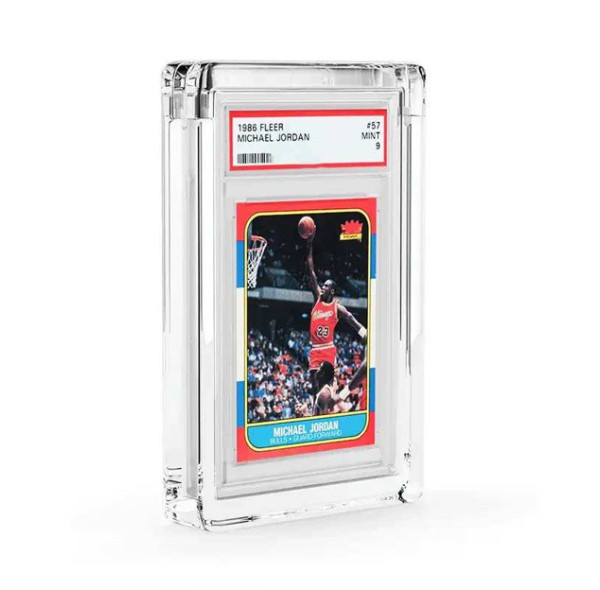
- How to Display Graded Cards at Home: Frames, Cases, and Shelving IdeasSep 4,2026The best ways to display graded cards at home: UV-protective wall-mount frames for hero cards, acrylic display cases and stands for desk showcases, and tiered shelving or a slab wall for larger collections. Includes a wall frame vs. case vs. shelving comparison table, lighting and humidity rules to prevent fading, and FAQ on slab safety, LEDs, and PSA/BGS/CGC holders.
- How to Clean and Care for Card Sleeves and PlaymatsSep 3,2026Learn how to clean card sleeves and care for playmats the right way: dry-wipe sleeves with a microfiber cloth, hand-wash rubber playmats in cool water with mild soap, air dry flat, and avoid alcohol, bleach, hot water, and washing machines. Includes a cleaning comparison table, what to avoid, how often to clean, and when to replace sleeves instead.
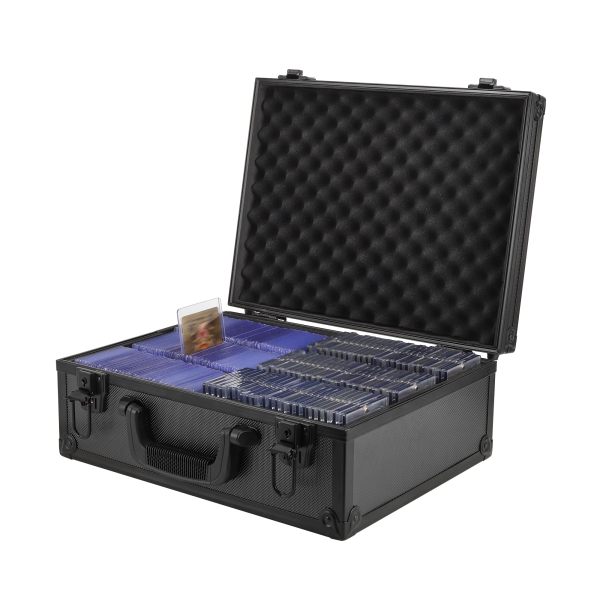
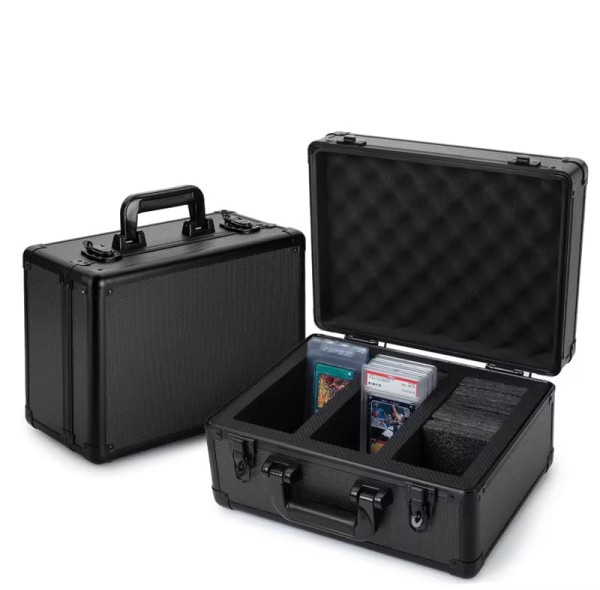
- Card Storage Boxes Explained: Cardboard, EVA Foam, and Lockable CasesSep 2,2026Card storage boxes explained: compare cardboard count boxes, EVA foam cases, and lockable card cases for trading cards. Learn capacities (400/800/1600 cards, 105 graded slabs), which box type protects bulk, valuable, or graded cards best, and how to choose the right card storage box for travel, shipping, or long-term storage.
- How to Organize a Pokémon Card Collection: Binders, Boxes, and SystemsSep 1,2026Learn how to organize a Pokémon card collection with a three-tier system: 9-pocket binders for master sets, storage boxes for bulk cards, and toploaders for high-value cards. Includes sorting by set and rarity, sleeving tips, digital inventory tools, and storage best practices from a professional card accessories manufacturer.
- The Complete Guide to Storing Trading Cards Long-TermAug 31,2026The complete guide to storing trading cards long-term: keep cards at 18-24°C and 40-50% relative humidity, out of sunlight, using the five-layer system of penny sleeve, toploader, archival box, sealed container and a stable room. Learn how to store trading cards, prevent humidity damage, use silica gel, avoid basement and garage mistakes, and follow a 10-year storage checklist for raw cards and graded slabs.
- How to Ship Trading Cards Safely: The Exact Supplies You NeedAug 31,2026Learn how to ship trading cards safely with the exact supplies you need: penny sleeve, toploader, team bag, cardboard, and bubble mailer. Step-by-step packing method, TCGplayer and eBay rules, tracking, insurance, and graded slab shipping tips.
- How to Buy TCG Accessories Wholesale: What Retailers Should KnowAug 29,2026Learn how to buy TCG accessories wholesale: supplier types (factory-direct vs. distributor vs. marketplace), MOQ and tiered pricing, landed cost, QC checklists, and red flags. Card sleeves, toploaders, binders and acrylic display cases at 40-60% retail margins. Includes a wholesale order checklist and FAQ for retailers and importers.
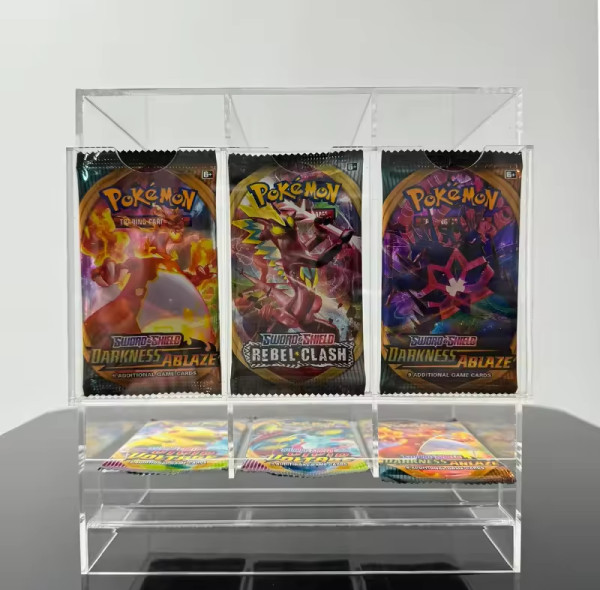
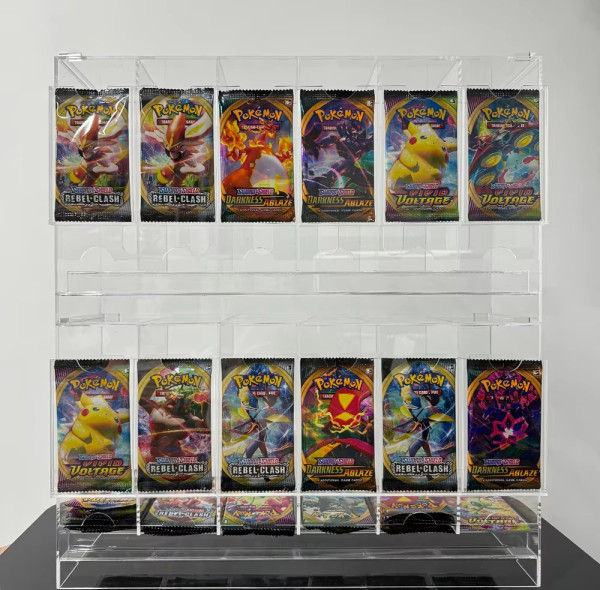
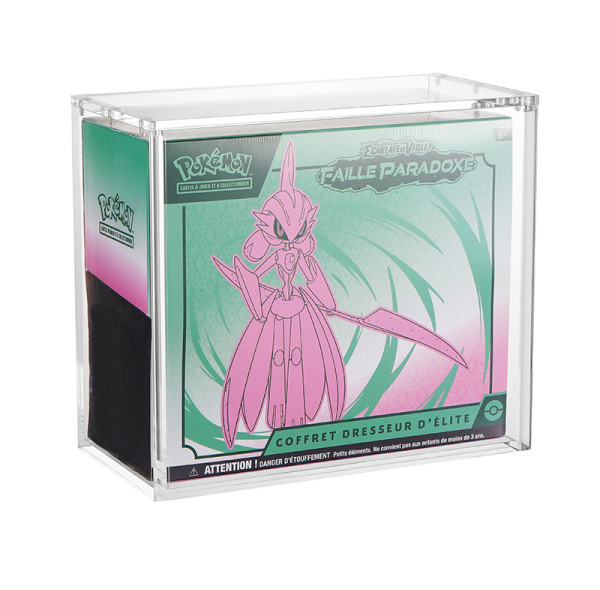
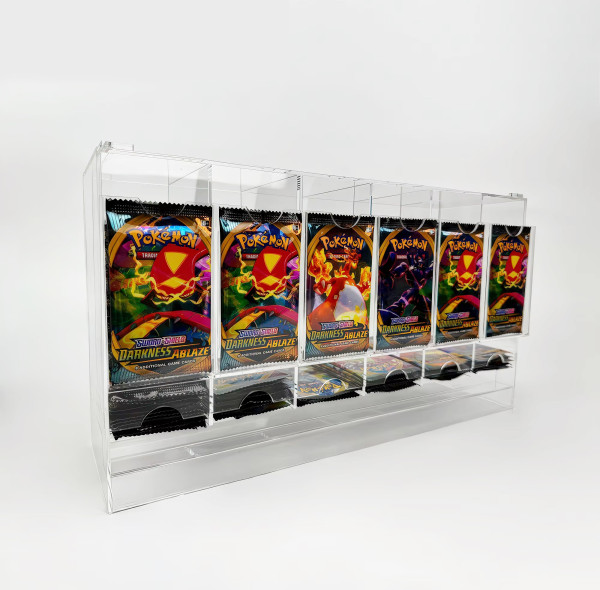
- Booster Pack Display Options: Dispensers, Toploaders, and CasesAug 28,2026Compare booster pack display options for retailers and collectors: acrylic dispensers for shop counters, rigid pack toploaders for keeping sealed packs mint, and acrylic display cases for showcasing. A factory-direct buying guide from GUARD TCG.
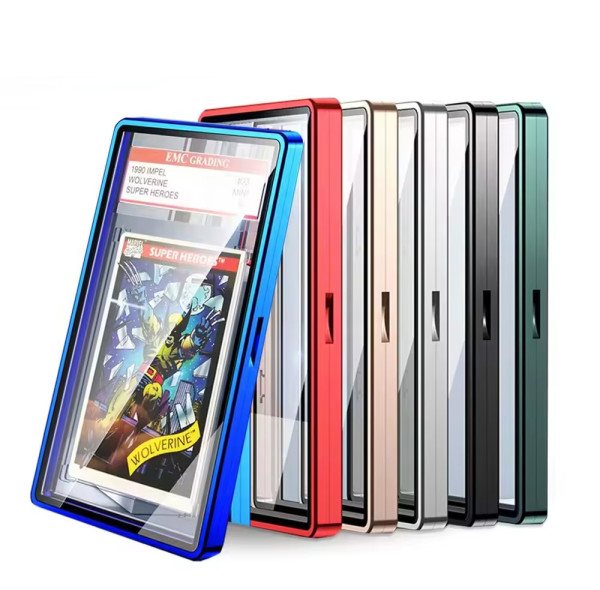
- Slab Sleeves vs. Slab Bumpers vs. SlabMags: Graded Card Protection ComparedAug 27,2026Slab sleeves, slab bumpers and SlabMags protect graded cards in different ways: sleeves block dust and scratches, bumpers absorb drops and guard corners, and magnetic holders add display-ready UV protection. Compare PSA/BGS/CGC slab protection, stacking, pricing, and the best combo setups like sleeve + bumper for boxed storage and magnetic cases for display grails.
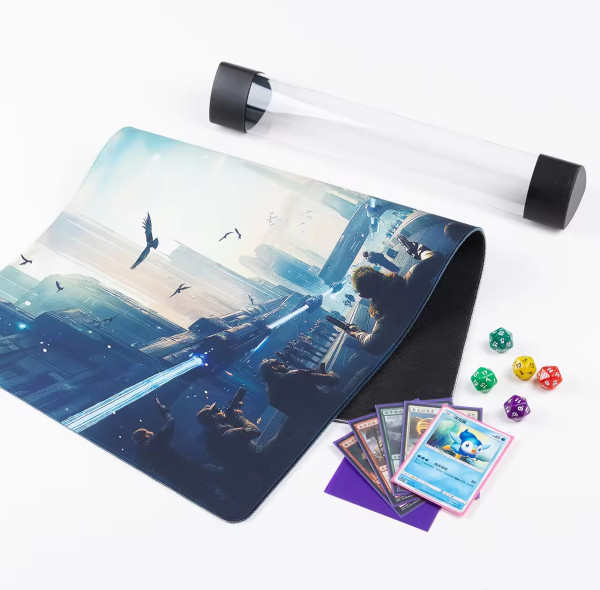
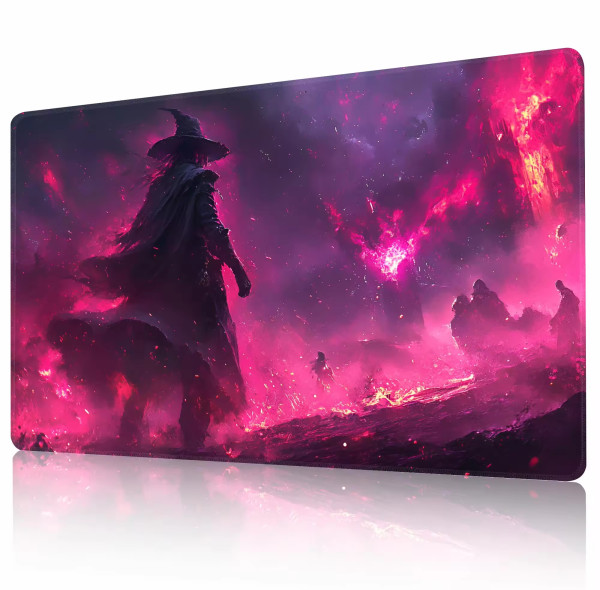
- Best TCG Playmats in 2026: Rubber vs. Cloth and Custom PrintsAug 26,2026Compare the best TCG playmats for 2026: rubber vs. cloth vs. hybrid construction, standard 24x14 inch sizes, and how custom dye-sublimation playmat printing works for stores and brands. A factory-direct buying guide from GUARD TCG.
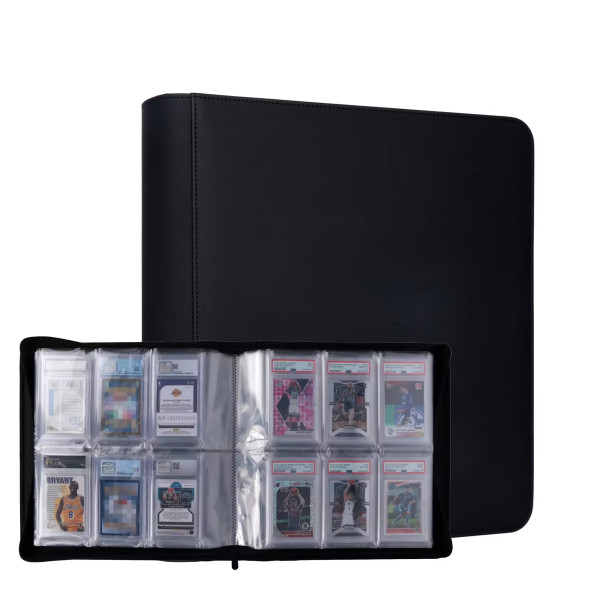
- Graded Card Binders vs. Storage Boxes: Displaying and Organizing SlabsAug 25,2026Choosing between a graded card binder and a slab storage box? Graded card binders (4-pocket and 6-pocket pages) make PSA, BGS and CGC slabs easy to flip through and display, while slotted storage boxes hold far more slabs for long-term protection. This guide compares capacity, protection, cost and display value, and shows a combined binder + box system that covers everyday viewing plus archival storage. Includes capacity charts, storage do's and don'ts, and pro tips from GUARD TCG.