How to Care for Your Card Collection Over Years: Maintenance Tips for Sleeves, Toploaders & Cases
How to Care for Your Card Collection Over Years: Maintenance Tips for Sleeves, Toploaders & Cases
Building a valuable trading card collection is only half the journey. The other half—often overlooked—is long-term maintenance. Cards stored improperly can fade, warp, stick, or degrade over time, even when they appear “protected.” For serious collectors, knowing how to store collectible cards long term is essential to preserving both condition and value.
This guide focuses on practical, real-world strategies to care for your collection over years, covering sleeves, toploaders, storage boxes, and display cases.
The Biggest Long-Term Threats to Card Collections
Card damage rarely happens all at once. Instead, it accumulates slowly through environmental exposure and material aging. The most common long-term threats include:
- UV exposure causing color fading and ink breakdown
- Humidity leading to warping, curling, and mold
- Compression pressure bending corners and edges
- Plastic aging from old sleeves and soft materials
Understanding these risks allows collectors to build smarter storage systems that last for decades—not just months.
How Often Should You Replace Card Sleeves?
Card sleeves are the first line of defense, but they are not permanent. Over time, sleeves can cloud, stretch, trap moisture, or transfer plastic residue. As a general rule:
- Play decks: Replace sleeves every 6–12 months
- Stored collections: Inspect sleeves yearly
- Sticky or cloudy sleeves: Replace immediately
For valuable cards, using inner sleeves plus outer sleeves significantly reduces long-term exposure to air and humidity.
Toploaders: Protection Is Not Permanent
Toploaders are excellent for structural protection, but they also age. Over years, low-quality toploaders can yellow, harden, or lose flexibility, increasing the risk of surface scratches.
Maintenance tips for toploaders include:
- Always sleeve the card before inserting into a toploader
- Store toploaders vertically to avoid pressure bending
- Replace toploaders that become cloudy or brittle
For high-value cards, consider upgrading to magnetic holders or slab-compatible protection.
Preventing Compression Damage in Storage Boxes
Compression damage is one of the most underestimated risks in long-term storage. Overfilled boxes place constant pressure on cards, causing slow corner bending and edge wear.
- Never overpack storage boxes
- Use dividers to distribute pressure evenly
- Store boxes horizontally on stable surfaces
High-capacity storage should prioritize space efficiency without sacrificing card integrity.
Environmental Control: Temperature and Humidity
Ideal storage conditions dramatically extend card lifespan. Collectors should aim for:
- Temperature: 18–22°C (64–72°F)
- Humidity: 40–55%
- Low light exposure, especially sunlight
Silica gel packs can help regulate moisture inside storage boxes, while UV-resistant acrylic cases protect displayed cards from fading.
Display Cases: Protect While You Showcase
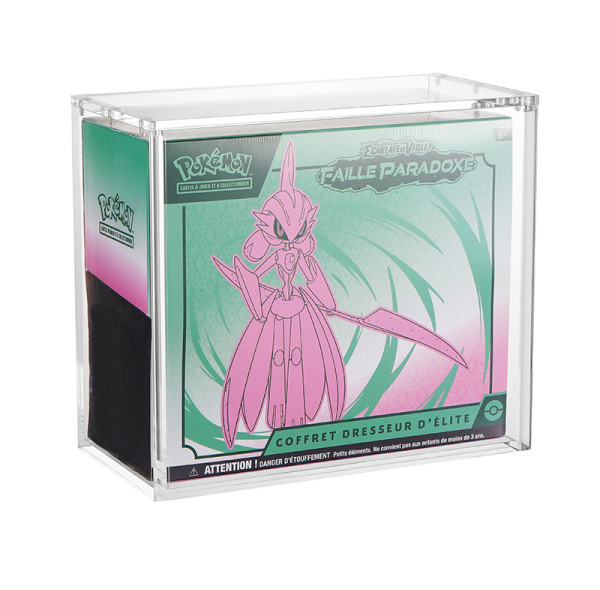
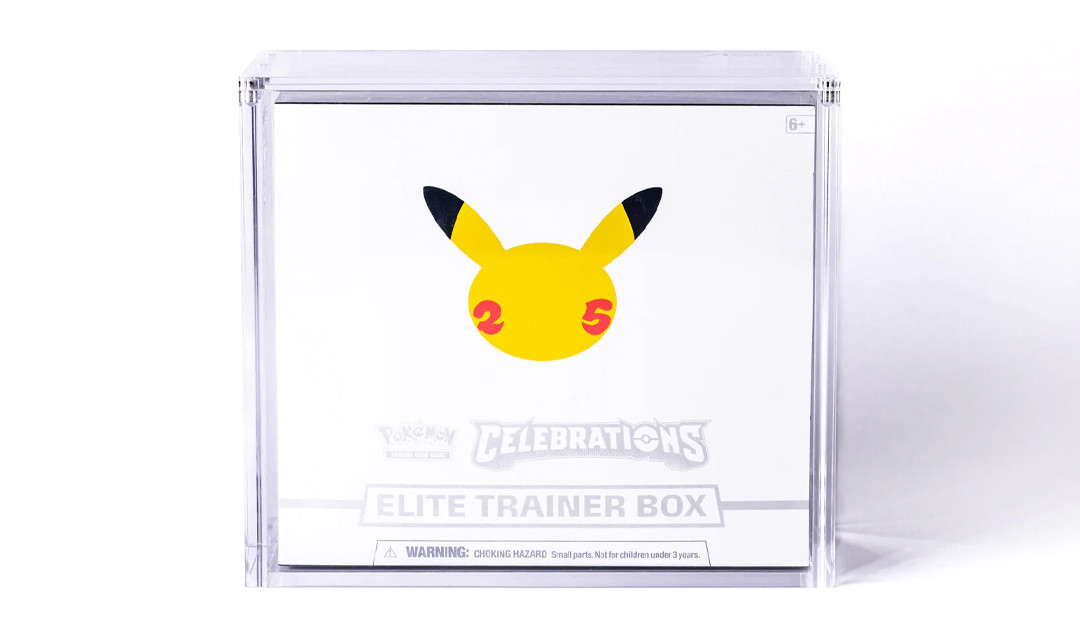
Displaying cards doesn’t mean sacrificing protection. Modern acrylic display cases offer UV resistance, dust sealing, and structural stability for long-term presentation.
When using display cases:
- Avoid direct sunlight or window-facing placement
- Clean acrylic surfaces with microfiber cloths only
- Inspect seals periodically for dust intrusion
Display cases should complement—not replace—proper sleeving and internal protection.
Internal Link Recommendations for SEO and Collector Education
Upgrade your long-term card care system with these protection solutions:
Conclusion: Card Maintenance Is a Long-Term Strategy
Proper card care isn’t about one-time storage—it’s about consistent maintenance. By replacing aging sleeves, avoiding compression, controlling humidity, and choosing the right cases, collectors can preserve card condition for years or even decades.
In a market where condition defines value, long-term maintenance is not optional—it’s part of responsible collecting.
Wholesale and OEM Supply
Need this range in bulk? GUARD TCG manufactures acrylic display cases and offers OEM/ODM custom card accessories for brands, card shops and distributors. Browse the acrylic display cases range, or request a wholesale quote.