How to Evaluate Card Protection Materials: PVC vs PP vs PE Sleeves & Different Case Types
How to Evaluate Card Protection Materials: PVC vs PP vs PE Sleeves & Different Case Types
For new collectors, card protection can feel confusing. Sleeves look similar, cases come in many forms, and product descriptions often emphasize “non-PVC” without explanation. Yet the material used to protect your trading cards directly affects their longevity, surface condition, and long-term value.
This guide breaks down the most common card sleeve materials—PVC, PP, and PE—and compares different case types such as toploaders, acrylic cases, and aluminum frame holders. Whether you collect Pokémon, MTG, Yu-Gi-Oh!, or sports cards, understanding these materials helps you make smarter protection decisions.

Why Card Protection Materials Matter
Trading cards are printed on layered paper stock with sensitive inks and coatings. Over time, poor-quality materials can:
- Release chemicals that damage card surfaces
- Cause yellowing or sticking
- Warp cards under heat or pressure
- Reduce grading potential and resale value
This is why experienced collectors focus not just on protection form—but on protection material.
PVC Sleeves: Flexible but Risky
PVC (Polyvinyl Chloride) sleeves are commonly found in low-cost products. While flexible and clear, PVC contains plasticizers that slowly migrate over time.
Risks of PVC sleeves include:
- Chemical off-gassing that can damage ink
- Sticky residue on card surfaces
- Higher sensitivity to heat and humidity
For short-term handling, PVC may be acceptable. For long-term storage or valuable cards, most collectors actively avoid it.
PP Sleeves: The Industry Standard for Non-PVC Protection
PP (Polypropylene) is the most widely recommended material for trading card sleeves. It is chemically stable, non-reactive, and designed for archival use.
Advantages of PP sleeves:
- Non-PVC and acid-free
- Excellent clarity and rigidity balance
- Safe for long-term storage
- Compatible with binders, deck boxes, and toploaders
Most premium sleeves, penny sleeves, and inner sleeves are made from PP. This is the default choice for collectors who care about preservation.
PE Sleeves: Soft Protection for Temporary Use
PE (Polyethylene) sleeves are softer and more flexible than PP. They are commonly used for short-term protection or bulk sorting.
PE sleeves are:
- Non-reactive and non-PVC
- Very flexible and lightweight
- Less rigid, offering lower structural protection
They work well for temporary storage but are usually paired with a more rigid outer case for serious protection.
Comparing Common Card Case Types
Sleeves are only the first layer. Many collectors add a rigid case to protect cards from bending, impact, and environmental exposure.
| Case Type | Material | Best Use |
|---|---|---|
| Toploader | Rigid PP | Affordable protection for singles and trades |
| One-Touch Magnetic Holder | Hard plastic / acrylic blend | Display and protection for valuable cards |
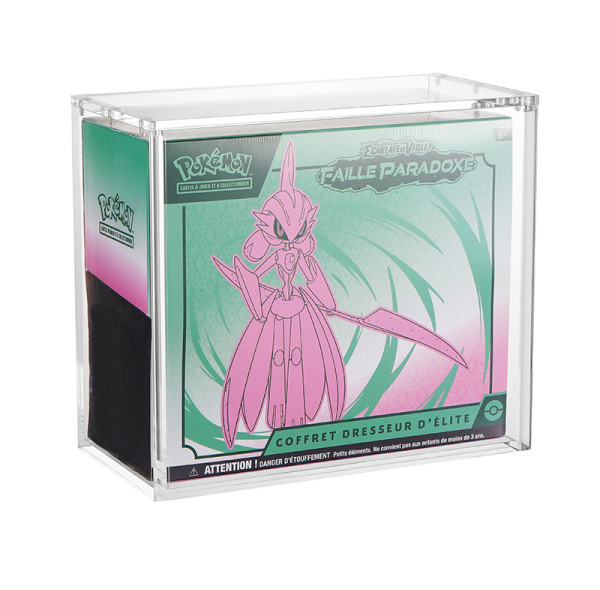
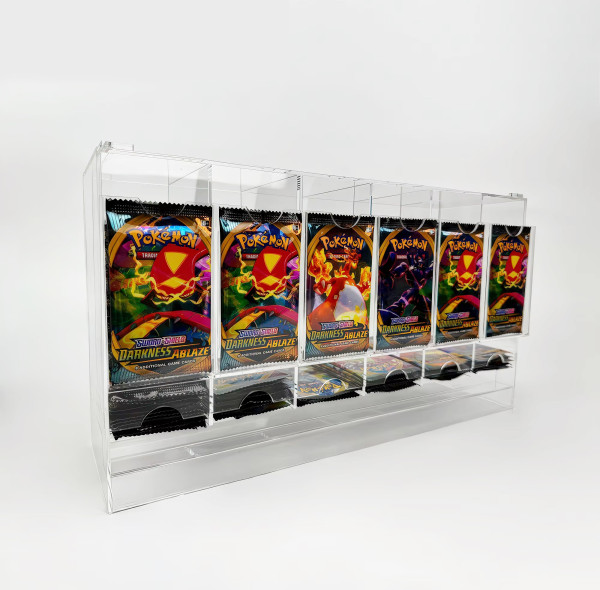
| Acrylic Display Case | UV-resistant acrylic | Long-term display and sealed product protection |
| Aluminum Frame Case | Metal + acrylic | Premium display for high-end collectibles |
Why Non-PVC Protection Is Strongly Recommended
“Non-PVC” is more than a marketing term—it’s a preservation standard. Collectors aiming for grading, long-term storage, or resale choose non-PVC materials because they:
- Do not chemically interact with cards
- Remain stable over decades
- Are accepted by grading companies
- Reduce risk of irreversible damage
Using PP sleeves combined with rigid cases provides layered protection that balances safety and usability.
Internal Link Recommendations for SEO Optimization
Build a reliable protection system using GUARD TCG solutions:
- Non-PVC Card Sleeves
- Toploaders for Trading Cards
- One-Touch Magnetic Card Holders
- Acrylic Display Cases for Collectibles
Conclusion: Choose Materials That Protect Long-Term Value
Understanding card protection materials is one of the most important steps in responsible collecting. PVC, PP, and PE sleeves each serve different purposes, but when it comes to long-term protection, non-PVC materials combined with rigid cases remain the gold standard.
By selecting the right sleeves and case types, collectors ensure their cards stay clean, flat, and valuable—today and years into the future.
Wholesale and OEM Supply
Need this range in bulk? GUARD TCG manufactures trading card sleeves and offers OEM/ODM custom card accessories for brands, card shops and distributors. Browse the trading card sleeves range, or request a wholesale quote.