The Hidden Risks of Stacking Graded Slabs (and How to Store Them Safely)
The Hidden Risks of Stacking Graded Slabs (and How to Store Them Safely)
Stacking graded slabs too high is one of the most common ways collectors damage their most expensive cards: the weight of the pile presses down on the slabs below, creating corner stress, pressure marks, and acrylic-on-acrylic scratches that permanently hurt the case and the perceived value of the card inside. The safe approach is to store slabs upright in individual slots, or flat in layers of no more than three to five with soft separators between them, inside a purpose-built slab storage box. This guide explains exactly what goes wrong when you stack slabs, how many layers are actually safe, and how to choose the right graded card storage box for your collection.
What Is a Graded Card Slab?
A graded card slab is the sealed, tamper-evident holder used by grading services such as PSA, BGS and CGC to protect and authenticate a card after it has been graded. The card sits inside a rigid plastic case with a label that shows the grade, the grader, and a unique certification number. Because the case is sealed, the card itself is very well protected from dust, fingerprints and handling damage — which is exactly why collectors assume slabs can be treated like bricks. In reality, the acrylic case is the part that needs protecting, and stacking is where most of the damage happens.
The Hidden Risks of Stacking Graded Slabs
Slabs look indestructible, but they are precision-molded acrylic cases with visible surfaces that collectors inspect closely. Stacking them carelessly causes four types of damage:
- Corner pressure: the weight of a tall stack concentrates on the bottom slab's corners, which can crack or chip the acrylic edge — a permanent, visible flaw.
- Surface scratches: every time slabs are placed on or removed from a pile, the acrylic faces rub together. Even a few cycles leave micro-scratches that show up under direct light.
- Label wear and seam stress: PSA slabs are two-piece cases held by a friction seal; heavy stacks can slowly work the seam and damage the certification label on the front.
- Toppling accidents: an unstable pile of slabs is one bump away from scattering across the floor — the single most common cause of cracked slab corners in real collections.

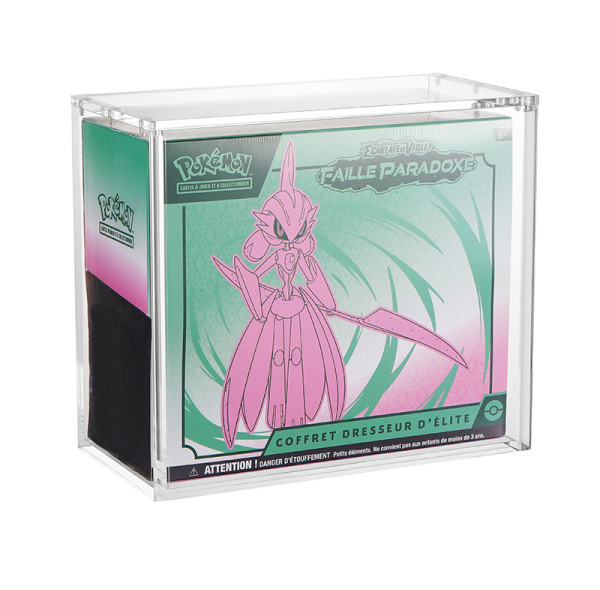
A sealed slab case like the one shown here protects the card from dust and handling, but the case itself still needs careful storage. The acrylic surface is what collectors see — and what buyers check before they pay a premium for a graded card.
How Many Slabs Can You Safely Stack?
There is no universal "safe height," but the practical industry rule collectors follow is simple: never stack more than three to five slabs high when storing flat, and never on top of cards you consider high value. The heavier the pile, the more pressure on the bottom slabs. Grading services' own submission and storage guidance emphasizes that slabs should be kept in individual sleeves or cases and stored upright — the way books stand on a shelf — rather than piled flat. If you must stack flat, put a soft separator (foam sheet, felt, or even a penny sleeve) between every slab so the acrylic faces never touch.
Safe vs. Unsafe Graded Slab Storage Methods
Not all storage habits are equal. Here is how the common methods compare:
| Storage Method | Safety Level | Best For |
|---|---|---|
| Upright in a slot box | Highest — no weight on other slabs | Long-term storage, 10+ slabs |
| Flat stack, 3–5 layers with separators | Good — minimal pressure | Short-term or daily access |
| Flat stack, no separators | Risky — acrylic rubs acrylic | Only for low-value slabs |
| Tall pile, 10+ slabs high | Dangerous — corner stress and topples | Avoid entirely |
| Open shelf, standing upright | Good — but exposed to dust and UV | Display pieces you rotate often |
| Sealed hard case with EVA foam | Highest — impact, dust and UV protection | Transport, high-value collections |
The pattern is clear: the safest storage keeps every slab in its own slot or cell so slabs never press on each other. That is exactly how a purpose-built graded card storage box works.
How to Store Graded Slabs Safely: A Step-by-Step System
Here is the storage routine we recommend after years of manufacturing protective cases for collectors:
- Step 1 — Sleeve every slab. Put each slab in a soft slab sleeve or team bag first. It stops dust and prevents acrylic-on-acrylic micro-scratches.
- Step 2 — Store upright or in low flat layers. Use a slot-style slab storage box with individual compartments, or keep flat stacks to 3–5 slabs with foam separators.
- Step 3 — Handle slabs by the edges. Fingerprints on the acrylic face are hard to remove and show under light; clean with a microfiber cloth only, never paper towels.
- Step 4 — Keep the box on a stable, level surface. Away from edges, pet paths, and direct sunlight.
- Step 5 — Inspect twice a year. Check for dust, moisture, or new scratches, and rotate the order of slabs in a stack to distribute any residual pressure.

Rigid slab-style cases with precisely sized cavities protect individual cards before and after grading. They are a practical middle layer between a raw card in a toploader and a permanently sealed grading slab.
How to Choose a Graded Card Storage Box
When you shop for a slab storage box, focus on four specifications:
- Capacity: count your slabs first. Standard boxes hold 10–50 slabs; buy one with room to grow, and confirm it is sized for PSA/BGS/CGC dimensions (roughly 3.5" x 4.7" for standard modern slabs).
- EVA foam lining: high-density EVA foam cradles each slab and absorbs shock. This is the single most important feature — it prevents both scratches and impact damage.
- Individual slots or dividers: the box should separate slabs from each other, not hold them as one loose bundle.
- Lock and seal: a lockable, dust-sealed case adds protection for high-value collections and makes transport safer. Many collectors choose a lockable EVA case for their top 10–20 slabs.
Whatever box you choose, the goal is the same: every slab should be immobile in its own compartment, never pressing on another slab.
Room Environment: Temperature, Humidity and Light
Storage hardware only does half the job — the room environment decides the rest. Collectors and grading services consistently recommend these three conditions:
- Temperature: keep the room at a stable 18–24°C (65–75°F). Avoid attics, garages and basements where temperature swings are extreme.
- Humidity: target 40–50% relative humidity. Above 55%, moisture can condense inside a sealed slab and fog the case or damage the card; below 30%, card stock becomes brittle. Use a small hygrometer and add silica gel packs if needed.
- Light: keep slabs out of direct sunlight. UV light fades card inks over time even through a clear slab, so display cases belong in indirect light, and long-term storage should be in a closed box.
About GUARD TCG
GUARD TCG is the card protection division of a factory founded in 2009 that produces over 300 million protective items a year and ships to more than 70 countries for 10,000+ customers and 500+ distributors. We manufacture rigid slab-style card holders, toploaders, sleeves and storage accessories shown in this guide, and every batch is fully inspected under our QC process before shipping. Standard MOQ starts at 100 pieces, with DHL/FedEx/UPS delivery in 5–12 days and sea freight in 25–35 days; OEM/ODM customization is available for brands and retailers. See our full product list or send an inquiry for wholesale pricing.
FAQ
Q1: Can graded slabs be stored standing upright?
Yes — upright is actually the recommended position for long-term storage, as long as each slab stands in its own slot or leans against a stable support. Upright storage puts zero pressure on the slabs below, which is why slot-style slab storage boxes are the collector standard.
Q2: How many slabs is it safe to stack flat?
Keep flat stacks to three to five slabs, and always put a soft separator between slabs so the acrylic faces never touch. Never stack 10 or more slabs high — the bottom slabs take serious corner pressure and the pile becomes a toppling hazard.
Q3: Do I still need a slab sleeve if I use a storage box?
Yes. The sleeve protects the acrylic face from micro-scratches when you insert and remove slabs, and it catches dust before it reaches the case. Think of the sleeve as the first layer and the box as the second.
Q4: Does a scratched slab lower the value of the card?
The card's grade is unaffected, but a scratched or cracked case hurts perceived value and buyer confidence when you sell. Buyers frequently discount slabs with visible case damage, so protecting the case protects your resale price.
Conclusion
Stacking graded slabs is not inherently wrong — stacking them carelessly is. Keep flat piles to three to five slabs with soft separators, store long-term collections upright in a slot-style slab storage box with EVA lining, and control temperature, humidity and light in the room. Slab sleeves, edge-only handling, and a stable, level storage spot complete the system. Graded cards are sealed for a reason: the card inside is protected, and your job is to protect the case that protects it. GUARD TCG manufactures graded card storage boxes, slab-style rigid cases and sleeves factory-direct — browse graded card cases or contact us for bulk pricing.
Wholesale and OEM Supply
Need this range in bulk? GUARD TCG manufactures graded card slab accessories and offers OEM/ODM custom card accessories for brands, card shops and distributors. Browse the graded card slab accessories range, or request a wholesale quote.