How to Clean and Care for Card Sleeves and Playmats
How to Clean and Care for Card Sleeves and Playmats
Cleaning card sleeves and playmats is simpler than most collectors think: wipe dirty card sleeves with a dry or slightly damp lint-free cloth and let them air dry completely, while rubber playmats should be hand-washed in cool water with mild dish soap and air-dried flat away from direct sunlight. Avoid alcohol, bleach, hot water, washing machines, and dryers — heat and harsh solvents are what actually ruin sleeve plastic and mat surfaces. According to TCGplayer community guides and sleeve brands such as Dragon Shield, more sleeves are damaged by aggressive cleaning than by normal play. This guide covers step-by-step methods to clean card sleeves and playmats, the mistakes to avoid, and when replacing is the smarter call.
Why Cleaning and Care Matter for Sleeves and Playmats
Card sleeves and playmats are the two surfaces your cards touch most. Over weeks of play, sleeves pick up skin oils, dust, and table grime; playmats collect crumbs, drink rings, and the wear of thousands of shuffles. Dirty sleeves do not just look bad — they shuffle poorly, hide card condition issues, and can transfer grit that scratches card surfaces underneath. A grimy playmat does the same to sleeves and cards during every game. Regular cleaning protects your collection's condition and keeps tournament gear tournament-legal: Pokémon TCG and other organized play programs expect sleeves that are not marked, sticky, or heavily worn. A few minutes of care every session is far cheaper than replacing a damaged deck or a high-value card.
How to Clean Card Sleeves: Everyday Dirt and Fingerprints
For light dust, fingerprints, and surface smudges, dry cleaning is the first and safest option:
- Use a lint-free microfiber cloth. Gently wipe the outside and inside edge of each sleeve with light pressure — never scrub hard enough to crease or scratch the plastic.
- Wipe in one direction. A consistent stroke avoids dragging grit back and forth across the surface.
- Brush textured sleeves. For matte-finish sleeves with grime in the texture, a soft old toothbrush or nail brush, used dry, lifts dirt out of the matte surface.
- Keep cards inside while dry-cleaning. Dry wiping is gentle enough to do with cards in the sleeves, but if you can feel grit, remove the cards first so pressure is not transmitted to the card surface.
Make this a habit after tournament days and it will prevent most buildup before it starts. According to community guidance shared on TCGplayer forums, a dry microfiber pass after every play session is the single most effective maintenance step for card sleeves.
Deep-Cleaning Card Sleeves: When and How to Do It Safely
When sleeves have visible grime, sticky residue, or drink splashes, move to damp cleaning — with the cards removed first. Never wet-clean a sleeve while a card is inside it, because trapped moisture can warp the card.
- Remove the cards. Slide every card out and set it aside in a safe stack before touching any liquid.
- Dampen, do not soak. Use a clean cloth or paper towel slightly dampened with room-temperature water. Wet the cloth, then wring it until barely moist.
- Wipe each sleeve individually, both faces. For greasy spots, a single drop of mild dish soap on the damp cloth helps — avoid letting soapy water pool inside the sleeve.
- Air dry completely before re-sleeving. Prop sleeves open or lay them flat and give them 12–24 hours to dry fully; moisture trapped against a card is how warping starts.
- Skip heavy chemicals. Alcohol, acetone, and all-purpose cleaners can cloud or embrittle sleeve plastic over time.

If you clean card sleeves regularly with the methods above, quality sleeves from a professional manufacturer stay smooth, clear, and shuffle-friendly for far longer — and they protect the cards inside while they do.
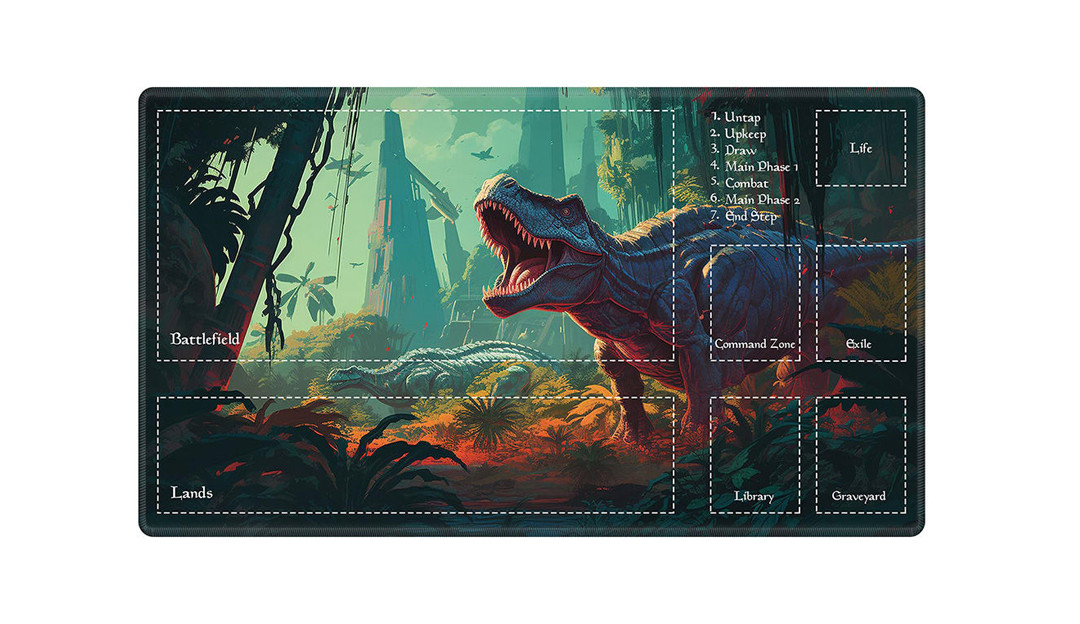
How to Wash a Rubber Playmat: Step-by-Step
Rubber playmats (a cloth or printed top layer bonded to a rubber base) need a different routine. The rubber backing should never be machine-dried, ironed, or folded, and most manufacturers recommend hand washing. Here is the method most mat makers and organized-play communities agree on:
- Fill a basin or tub with cool or lukewarm water — never hot water, which can shrink the fabric layer and weaken the adhesive bond to the rubber.
- Add a small amount of mild detergent — dish soap, gentle laundry soap, or baby shampoo. No bleach, no fabric softener.
- Submerge the mat and gently scrub with a soft sponge or brush, focusing on stained areas without digging into the printed surface.
- Rinse thoroughly in clean cool water until no suds remain — soap residue attracts dirt and can make the surface tacky.
- Pat dry with a clean towel, then air dry completely flat. Never wring or twist the mat, and never use a dryer, radiator, or direct sunlight, which fades prints and degrades rubber.
For everyday spot cleaning between deep washes, a slightly damp microfiber cloth over the play surface, wiped in one direction, is all you need — the same cloth you use for card sleeves works on a playmat.
Cloth and Fabric Playmats: Extra Care Rules
Cloth-surface playmats (often stitched fabric over a rubber or non-slip base) are more absorbent than printed rubber mats, so they stain faster and need gentler treatment:
- Spot-clean spills immediately — blot, never rub, so the stain does not spread into the fibers.
- Hand-wash in cool water with a mild detergent, following the same basin method as rubber mats.
- Machine washing only if the care label allows it. Some manufacturers explicitly say "do not machine wash"; for others, use a cold, gentle cycle with mild detergent, no bleach or fabric softener, and always air dry flat afterward.
- Never iron a playmat. Heat melts or warps the rubber base even if the fabric survives.
When in doubt, check the care label or the manufacturer's website before machine washing — as playmat brands themselves advise, hand washing is the safest default for preserving both print and rubber.
Card Sleeves vs. Playmats: Cleaning Comparison
| Feature | Card Sleeves | Rubber Playmat | Cloth Playmat |
|---|---|---|---|
| Everyday cleaning | Dry microfiber cloth wipe | Damp cloth spot wipe | Blot spills; damp cloth spot wipe |
| Deep cleaning | Damp cloth, cards removed | Hand wash in basin | Hand wash; machine only if labeled |
| Water temperature | Room temperature | Cool to lukewarm | Cool to lukewarm |
| Detergent | Optional, tiny drop of dish soap | Mild dish soap or baby shampoo | Mild detergent, no softener |
| Drying | Air dry 12–24 hours, flat or propped | Air dry flat, no heat or sun | Air dry flat, no heat or sun |
| Machine wash OK? | Never | Usually no — hand wash recommended | Only if the care label allows |
| Biggest risk | Trapped moisture warping cards | Heat or twisting damaging rubber | Shrinkage and print damage from heat |
| When to replace | Sticky, cloudy, split corners | Peeling base, fading print | Pilling, permanent stains, edge wear |
The rule of thumb: card sleeves get dry care and rare, gentle damp cleaning, while playmats tolerate a full hand wash but never heat, twisting, or harsh chemicals.
Cleaning Products and Methods to Avoid
Knowing what not to do matters as much as the cleaning steps themselves. These are the common shortcuts that damage sleeves and mats:
- Rubbing alcohol and solvent cleaners. They can cloud sleeve plastic, strip playmat prints, and dry out rubber, making it brittle.
- Bleach and ammonia-based products. Too caustic for both sleeve polymers and mat adhesives.
- Hot water. Warps sleeves and can shrink cloth playmat tops or weaken their glue bond.
- Washing machines and dryers for sleeves. Sleeves should never go in a machine — agitation and heat ruin them. For playmats, only follow explicit machine-wash labels.
- Soaking playmats for hours. Prolonged soaking can loosen the adhesive between the fabric layer and the rubber base.
- Wringing, twisting, or ironing a playmat. All three stress or melt the rubber backing.
If a cleaning method requires heat, harsh chemicals, or a machine you would not trust with a graded card, it does not belong anywhere near your sleeves or playmat.
Manufacturers of premium sleeves — including the non-PVC, acid-free designs GUARD TCG produces in 50-micron thickness — formulate their plastic for durability, but no sleeve survives repeated exposure to solvents and heat.
How Often to Clean — and When to Replace Instead
Cleaning frequency depends on how often you play. A practical schedule used by many players and endorsed in community care guides:
- After every session: roll the playmat and give sleeves a quick dry-wipe pass if you were at a tournament or played on a shared table.
- Every 1–2 months: deep-clean the playmat with a hand wash, especially if it sees weekly play.
- When sleeves look grimy or shuffle poorly: try the damp-cloth deep clean once. If sticky residue remains, the plastic has begun breaking down — cleaning will not restore it, and replacement is the honest fix.
Know the replacement triggers: sleeves that stay sticky after cleaning, have clouded fronts that hide card condition, or show split corners should be retired from tournament decks. Many players cycle worn sleeves down to binder storage and keep fresh sleeves for active decks — a habit TCGplayer's community guides recommend as the most cost-effective protection strategy.
Best Practices to Keep Sleeves and Playmats Clean Longer
Prevention beats cleaning. These habits dramatically reduce how often your gear needs washing:
- Wash and dry your hands before handling cards — skin oils are the main source of sleeve grime.
- Keep drinks off the play surface and use a coaster or side table — the most common playmat stains are drink rings.
- Store playmats rolled loosely in a cool, dry place away from direct sunlight, and avoid leaving them in hot cars or damp rooms.
- Keep sleeves in deck boxes when not in use instead of loose on a desk, and never fasten decks with rubber bands, which can create pressure marks and sticky residue.
- Shuffle over the playmat or a clean surface, never directly on a dirty table.

Simple storage discipline keeps your sleeves and playmat out of the situations that force deep cleaning in the first place.
About GUARD TCG
GUARD TCG is the trading card accessories brand of a professional manufacturer founded in 2009, producing more than 300 million protective items every year for customers in 70+ countries, with 500+ distributors and 10,000+ retail partners worldwide. We manufacture premium card sleeves — including non-PVC, acid-free penny sleeves around 50 microns thick — under strict batch QC in which every production batch is fully inspected, and we support OEM/ODM customization with a standard-product MOQ from 100 pieces. The cleaning guidance in this guide reflects what our factory teams, collectors, and retail partners have learned about sleeve and playmat materials over nearly two decades. Browse the full range on our product list, read more care guides on our blog, or send us an inquiry for wholesale and custom orders.
FAQ
Q1: Can I put my playmat in the washing machine?
Only if the manufacturer's care label explicitly allows machine washing. If it does, use a cold, gentle cycle with mild detergent and no bleach or fabric softener, then air dry flat. Most rubber-backed playmats recommend hand washing, and when in doubt, hand washing is the safest option to protect the print and rubber base.
Q2: My card sleeves turned sticky — can I clean them?
Tacky or sticky sleeves usually mean the plastic is breaking down from age, heat, or chemical exposure. A single damp-cloth cleaning is worth trying, but if the residue remains, the sleeve material has degraded and cleaning cannot restore it — replace those sleeves rather than risk damaged cards.
Q3: Is rubbing alcohol safe for cleaning a playmat?
No — alcohol can strip the printed artwork layer and dry out the rubber base. For stubborn ink stains, spot-test a tiny corner first if you must use it, but mild soap and water remains the safe standard for playmat care.
Q4: How often should I clean card sleeves and my playmat?
Give sleeves a dry microfiber wipe after heavy play sessions and deep-clean the playmat every one to two months with regular weekly use. Deep-clean sleeves only when they look grimy, and always let them dry completely before re-sleeving cards.
Q5: Does cleaning card sleeves with water risk damaging my cards?
Only if moisture reaches the card. Always remove the cards before damp-cleaning sleeves and wait until sleeves are fully dry before sliding cards back in. Done this way, wet cleaning is safe for the sleeves and harmless to the cards inside.
Conclusion
Caring for card sleeves and playmats comes down to three habits: dry-wipe card sleeves after play, hand-wash playmats in cool water with mild soap and air-dry them flat, and keep heat, alcohol, and washing machines away from both. Cleaning card sleeves gently with a microfiber cloth and removing cards before any damp cleaning protects both the plastic and the card inside, while a clean rubber playmat keeps your play surface — and your sleeves — free of the grime that causes most wear. When sleeves turn sticky or cloudy, replace them instead of scrubbing. Follow these routines and your gear stays tournament-ready, your cards stay protected, and your collection keeps the condition you worked to preserve.
Wholesale and OEM Supply
Need this range in bulk? GUARD TCG manufactures trading card sleeves and offers OEM/ODM custom card accessories for brands, card shops and distributors. Browse the trading card sleeves range, or request a wholesale quote.