Elevating Collection Value and Competitive Play for Global Players

Partnering with Passion
Home / All
Blog
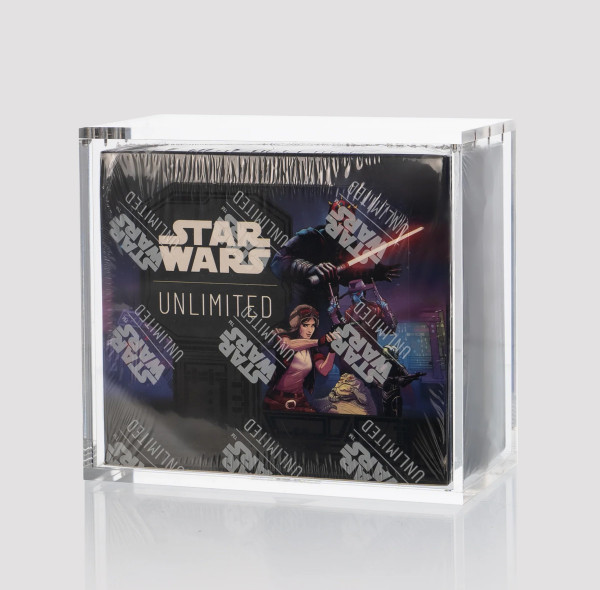
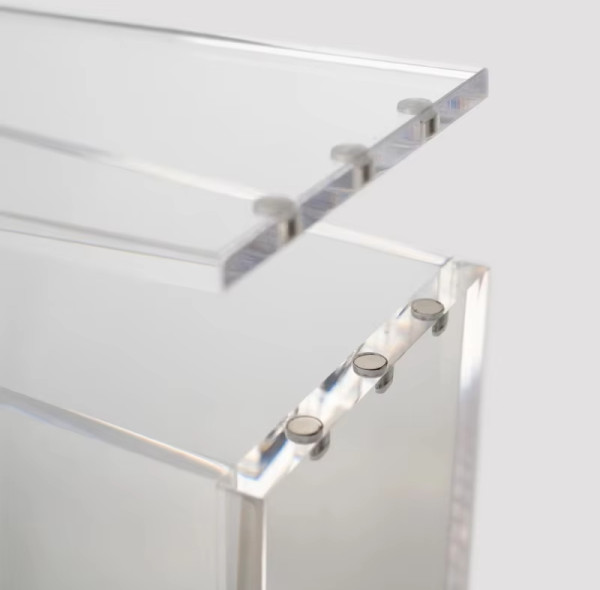
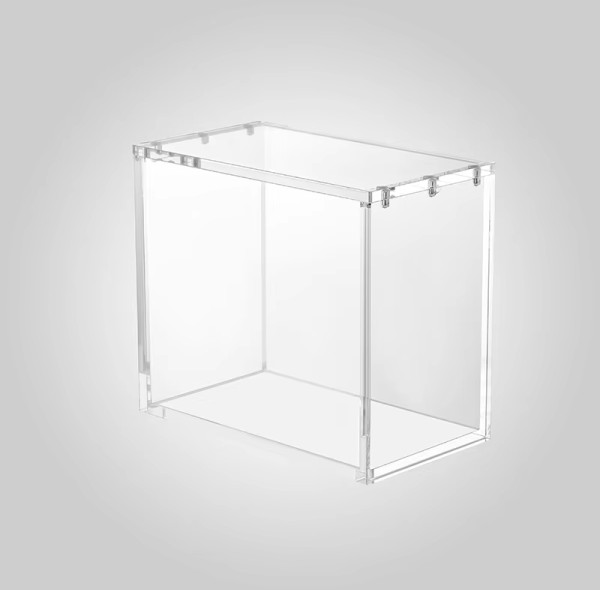
 Star Wars Unlimited Booster Box Cases for Retail and CollectorsOct 9,2026Star Wars Unlimited booster box cases serve retailers and collectors alike: acrylic cases keep sealed displays stackable, shelf-ready and free of dust, light and corner damage. Learn how to size a case, choose lids and branding, and plan MOQ, packaging and lead times for wholesale orders.
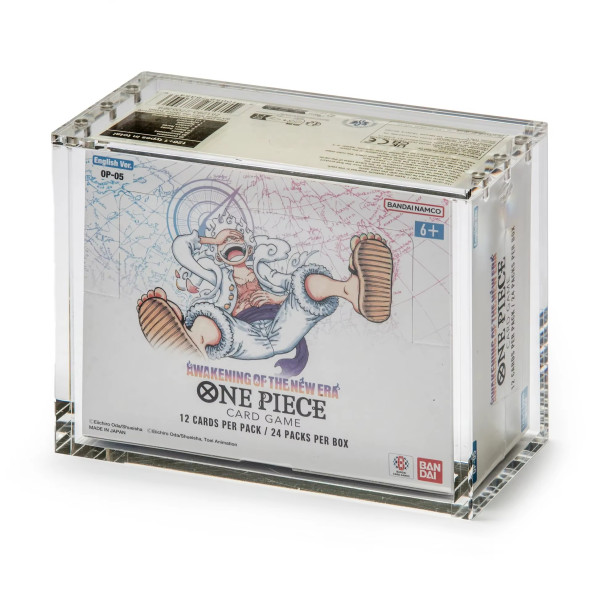
- One Piece TCG Booster Box Display Cases: A Protection GuideOct 8,2026One Piece booster box display case buying guide for importers, distributors and retailers. Learn why sealed film and box art need rigid protection, how to size a case for the 24-pack display, tray and lid options, and how to plan MOQ, packaging and lead time before ordering.
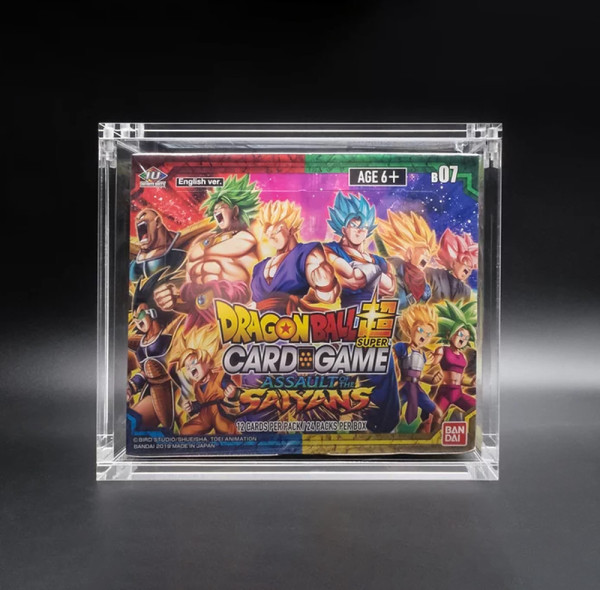
- Dragon Ball Super Card Game Booster Box Cases: 2026 Buyer GuideOct 7,20262026 buyer guide to Dragon Ball Super booster box cases for retailers and importers: how to size, choose acrylic vs PET, select thickness, lid type and UV options, plus MOQ, packaging and lead time for wholesale orders.
- Pokemon SPC and Half Booster Boxes: Acrylic Case Sizing GuideOct 6,2026Pokemon SPC acrylic case sizing explained for importers, distributors and retailers. SPC and half booster boxes are shorter and flatter than a full booster box, so a standard case leaves them rattling or cracks at the corners. Learn how to map box formats to internal cavity dimensions, set 1.5-3 mm clearance, control lid depth, and plan MOQ, packaging and lead time before ordering.
- Japanese vs English Booster Box Cases: Why Size MattersSep 30,2026Japanese vs English booster box case sizing explained for importers, distributors and retailers. The two regional boxes share a similar footprint but differ in depth, weight and lid thickness, so a case that fits one can crush or rattle the other. Learn how to measure a booster box, set 1.5-3 mm clearance, match base thickness to weight, and plan MOQ, packaging and lead time before ordering.
- Pokemon UPC Display Cases: How to Protect Ultra Premium CollectionsSep 29,2026Pokemon UPC display case guide for retailers and importers: how to size a rigid acrylic case to the Ultra Premium Collection box, which lid and magnetic front styles suit trade-show and shelf display, and the MOQ, packaging and lead-time numbers buyers need before ordering.
- TCG Accessory Trends for 2026: What Retailers Should StockSep 26,2026The 2026 TCG accessory trends worth stocking: graded-card protection (slab bumpers, SlabMags), display-grade acrylic for sealed product, and custom printed sleeves and playmats. Covers who should stock what, a practical SKU framework, MOQ and lead-time guidance, and how GUARD TCG supports retailers buying factory-direct.
- Tournament-Ready: Supplies Every TCG Event Organizer NeedsSep 25,2026A complete checklist of TCG tournament supplies every event organizer needs: playmats, spare uniform sleeves, deck boxes, dice and counters, match slips, toploaders, and branded prize display. Covers official rules compliance, what sells on site, and how to build a tournament-ready kit from GUARD TCG.
- How Retailers Can Win TCG Customers: Accessory Bundling StrategiesSep 24,2026TCG accessory bundling strategies for card shops: how retailers design a New Player Starter Bundle, Tournament-Ready Kit and Grading Round-Trip Pack, price bundles, time them to set releases and tournament season, and use membership to lift average order value and repeat purchases.
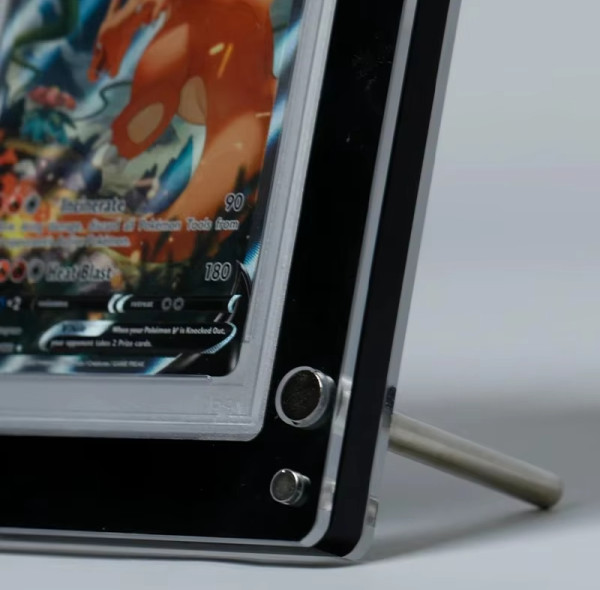
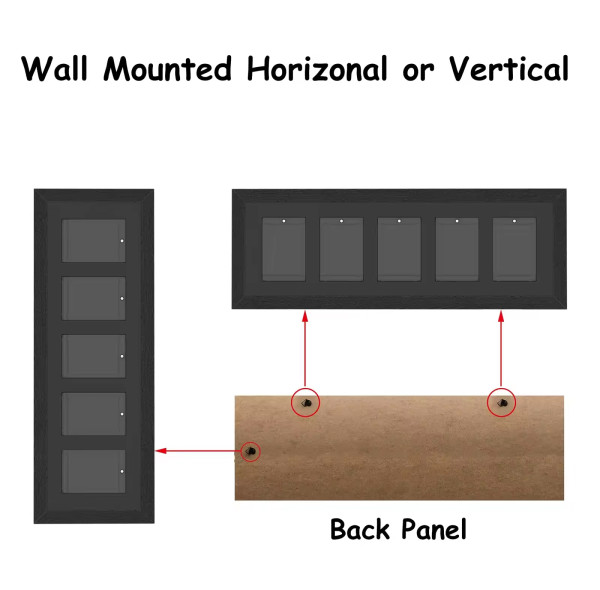
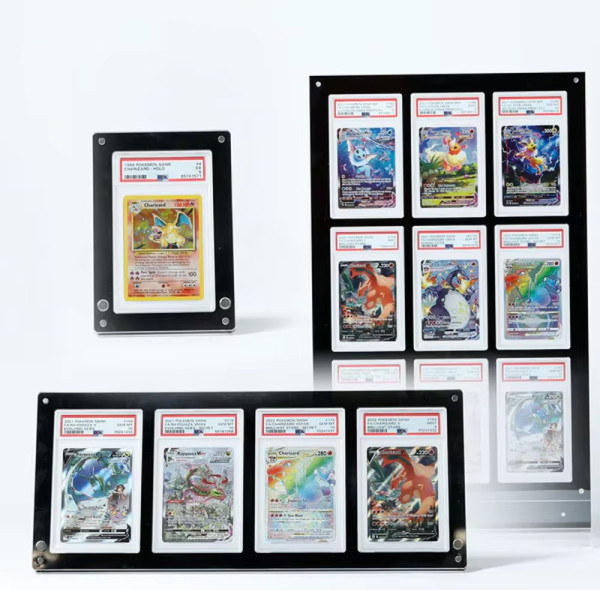
- Graded Card Wall Displays: Turning Slabs into Store DecorSep 23,2026A graded card wall display hangs high-grade slabs in UV-filtering frames to decorate a shop, protect inventory from handling and fade, and act as a live advertisement. This guide covers grid, feature-rail and themed-zone layouts, frame specs (UV, load rating, dust sealing), lighting and rotation to prevent fade, a fixture comparison table, ROI metrics, maintenance best practices and FAQs — with factory sourcing guidance from GUARD TCG.
- Shelf-Ready TCG Merchandising: How Layout Affects Accessory SalesSep 22,2026TCG merchandising is layout work: arrange accessories by price tier and use case, put the highest-margin items in the golden zone at eye level (roughly 120-150 cm), cross-merchandise sleeves and toploaders beside booster packs, showcase sealed and graded stock in acrylic cases, and test changes against 30 days of sales data. Includes a three-tier zone plan, a fixture comparison table, a 30-day review method, and the layout mistakes that suppress accessory sales.
- Acrylic Display Cases for Retail: Protecting Product While Driving SalesSep 21,2026Acrylic display cases protect high-value retail product while making it look more valuable. This guide covers placement on counter, shelf and window, wall thickness and locking choices for theft deterrence, UV-resistant grades, lighting and risers, buying parameters and MOQ, plus acrylic vs glass vs cardboard. From GUARD TCG, a card accessories manufacturer since 2009.
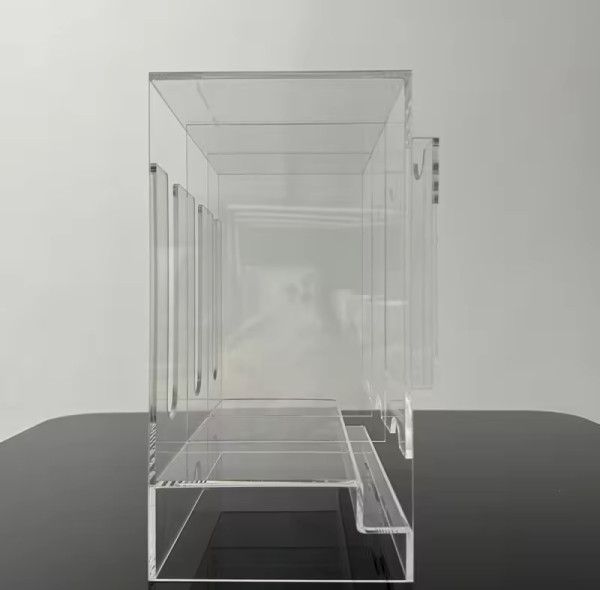
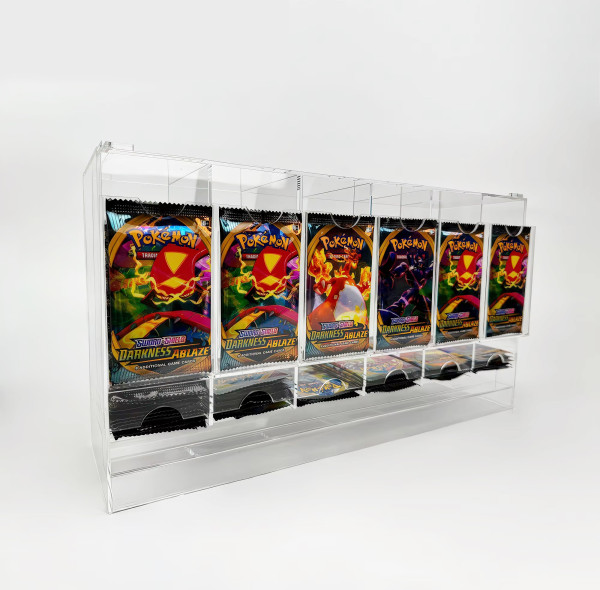
- How to Display Booster Packs in Retail Stores to Boost SalesSep 19,2026Booster pack sales live or die on display. This guide covers the three principles of retail pack merchandising (visible, touchable, impulse-friendly), how to run an acrylic dispenser (capacity, position, restocking), checkout counter impulse zone design, lighting and signage, a dispenser vs. screw-down case vs. open tray comparison, how to choose a pack dispenser, and a two-week before-and-after method for measuring whether the display actually lifted packs sold per transaction.
- TCG Shop Supplies Checklist: Everything a Game Store Needs to StockSep 18,2026A complete TCG shop supplies checklist covers six groups: card sleeves, rigid protection (toploaders and magnetic holders), storage and binders, deck boxes and playmats, acrylic display and retail hardware, and counter essentials. This guide breaks the list down by shelf zone, recommends SKU counts and a $2,000-$5,000 first-order budget for card shop inventory, compares protection vs. display vs. play supplies, and explains how to choose suppliers with low MOQ and batch-level QC.
- How Game Stores Profit from TCG Accessories: Margin Benchmarks for 2026Sep 17,2026TCG accessories deliver roughly 50-70% gross margin for game stores in 2026 - higher and steadier than the 20-45% typical of sealed boosters and far more predictable than single cards. This guide benchmarks margin by category (sleeves, deck boxes, binders, acrylic display cases), compares accessories with sealed product and singles, covers pricing strategy without discounting, landed-cost math, SKU and sell-through planning, and how to buy factory-direct to protect card shop business margins.
- Shipping Card Accessories Internationally: Air vs. Sea Freight Costs and TimingSep 16,2026Air express (DHL/FedEx/UPS) moves card accessories door-to-door in 5-12 days, air freight in 7-12 days, and sea freight in 25-35 days at 60%+ lower unit cost. This guide compares cost and timing for card accessories shipping, explains volumetric weight and CBM math, HS codes, customs clearance and last-mile delivery for international shipping from China.
- QC in Card Accessory Manufacturing: What Quality Checks Actually MatterSep 15,2026Card accessory QC comes down to five measurable checkpoints: dimensional tolerance, material thickness and grade, print colour and registration, edge and closure quality, and packing integrity. This guide covers the working standards we use, AQL sampling (ISO 2859-1) vs. 100% inspection, the most common defects in card sleeves and holders, how importers can verify quality with third-party or video inspection, and how to build QC into a custom OEM order.
- Factory-Direct vs. Trading Companies: How Sourcing Directly Saves You MoneySep 14,2026Factory-direct vs. trading company sourcing explained: trading companies add an estimated 15-40% markup on top of the ex-works price, so a $10,000 order can cost $1,500-$3,300 more. This guide compares cost structures, the real costs of buying direct (vetting, inspection, logistics), when direct sourcing pays off, and when a trader or agent still wins.
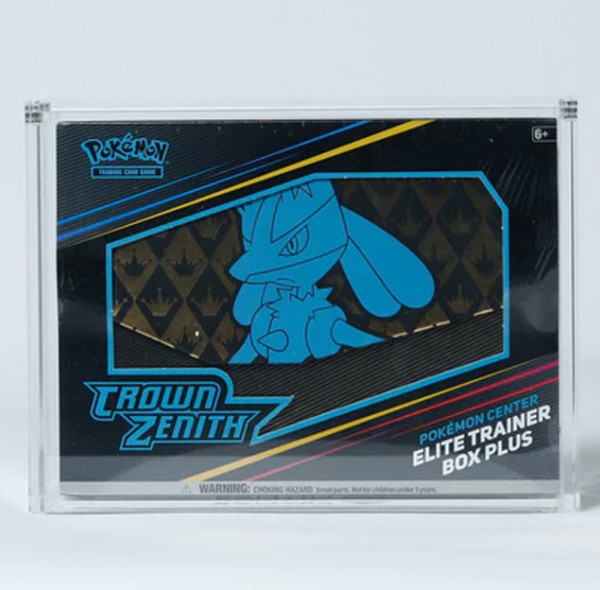
- Licensing Reality: Can You Make Your Own Pokémon-Style Display Cases?Sep 14,2026Pokemon display case OEM and licensing explained: you cannot sell cases bearing Pokemon trademarks, logos, or artwork without a licence from The Pokemon Company International, but you can make generic unbranded cases that fit standard ETBs, tins, and booster boxes. This guide covers licensed vs unlicensed card accessories, the trademark/copyright/design line, seller risks, and compliant OEM practices.
- Custom Card Sleeves: Printing, Materials, and Minimum OrdersSep 12,2026Custom card sleeves explained: how printing methods (digital, offset, gravure) affect cost and MOQ, which film to choose (PP, CPP, PET, gloss or matte), design file rules (CMYK, 300 DPI, 3 mm bleed), single-sided vs. double-sided vs. full-wrap printing, MOQ and price breaks, sample-to-production timeline, and how to choose a supplier.
- How to Choose a Trading Card Accessories Manufacturer: 10 Questions to AskSep 11,2026How to choose a trading card accessories manufacturer: 10 questions to ask, covering factory vs trading company, certifications, capacity, in-house tooling, QC, tolerances, MOQ and price breaks, lead time, shipping terms and defect policy. Includes a strong-answer vs red-flag table, verification methods, a sample evaluation checklist, and red flags to avoid.
- MOQ Explained: How Low Can You Really Go with Custom Card Accessories?Sep 10,2026MOQ (minimum order quantity) explained for custom card accessories: standard branded products can start around 100 pieces, light custom printing near 1,000, and new tooling 1,000-5,000+. Learn what drives MOQ (tooling, printing, packaging, material), a reference table by product type, price-break tiers, and low-MOQ strategies for small sellers and new brands.
- OEM vs. ODM vs. Private Label: What's the Difference for Card Accessories?Sep 9,2026OEM builds card accessories to your drawings, ODM lets the factory design and you brand it, and private label puts your logo on proven standard products. This guide compares OEM vs. ODM vs. private label for trading card accessories: customization depth, mold and tooling costs, minimum order quantities, and which model fits a new TCG brand. Includes a side-by-side comparison table, a realistic roadmap from private label to exclusive tooling, and FAQs on mold costs and exclusivity.
- How to Start Your Own TCG Accessories Brand: A Step-by-Step OEM GuideSep 8,2026How to start your own TCG accessories brand in six steps: define positioning, build a product mix of traffic and profit items, choose a verified OEM or ODM manufacturer, approve samples, run mass production with QC checkpoints, and cold-start your sales channels. Includes OEM vs. ODM vs. private label comparison, startup budget guidance, and private label card accessories sourcing tips.